My Family Mocked Our Farm for Years—Then Asked Me to Risk It for My Brother
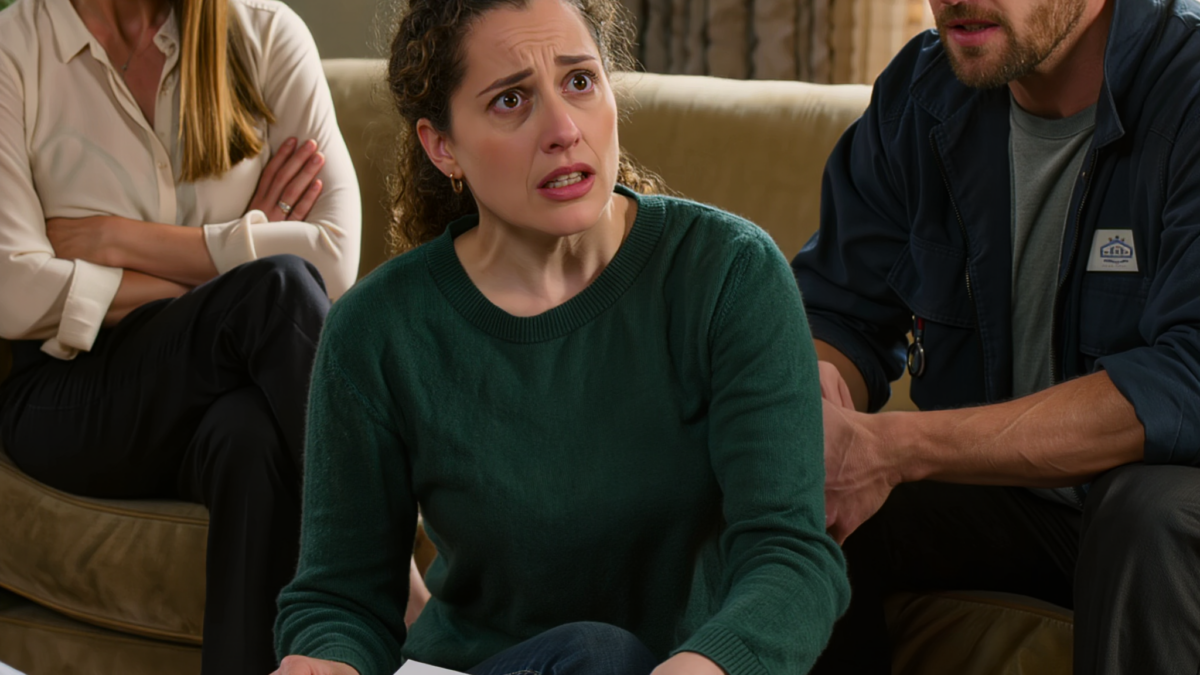
At my parents’ fortieth-anniversary dinner in Denver, my sister Madison raised her wineglass and toasted “Avery and her soil-loving soulmate—may your vegetables grow taller than your ambitions ever did.” Nearly everyone laughed. I was 36, a high-school biology teacher, and my husband Cole and I had spent nine years restoring exhausted farmland outside Fort Collins while my family treated us like people who had simply failed to become successful. Six months later, those same relatives asked me to pledge our farm against a $610,000 rescue loan for my brother Brandon’s collapsing financial firm. I was already going to say no. Then I opened the lender packet and found a professional appraisal of our acreage dated two weeks before anyone had even called me.
The anniversary dinner was held in a private ballroom at a hotel in downtown Denver.
My mother, Diane, had chosen everything herself.
White roses.
Gold-edged plates.
A jazz trio near the windows.
Photographs from forty years of marriage arranged on easels throughout the room.
I appeared in exactly three of them.
Madison appeared in eleven.
Brandon appeared in thirteen.
That was not unusual.
My place in the family had always been technically present and emotionally optional.
Madison was 39 and ran communications for a national beauty brand.
Brandon was 33 and had spent the previous two years building a boutique financial advisory company called Briar Ridge Capital.
According to my mother, both of them had “real careers.”
I taught environmental biology at Roosevelt High School in Fort Collins.
Cole, my husband, was an agricultural engineer who managed our nine-acre regenerative farm outside town.
We sold produce to two restaurants, a food cooperative, and a small grocery distributor.
We also hosted my students twice a semester for field labs.
My family called it the vegetable patch.
When Madison made her toast, Cole’s hand found mine underneath the table.
He did not defend me.
He knew I did not need rescuing.
He just squeezed once.
Madison sat down smiling.
Diane gave me the same expression she had used when I graduated from Berkeley with honors in environmental biology.
A mixture of disappointment and confusion.
As though I had been handed a winning lottery ticket and deliberately traded it for compost.
“You’re still teaching, right?” she asked later.
“Yes.”
“High school?”
“Yes.”
“That must be stable.”
“It is.”
Madison laughed.
“Avery has always liked stability. Plants don’t argue back.”
I looked at her.
“My students argue constantly.”
She blinked.
Cole covered a smile with his water glass.
Brandon spent most of dinner describing a new private investment fund his firm planned to launch.
He talked about expansion, high-net-worth clients, and opening a second office.
My father, Robert, listened like Brandon was explaining how he had personally invented compound interest.
When Brandon finished, Robert raised his glass.
“To ambition.”
Everyone drank.
I did not miss the contrast.
I also did not care enough to fight about it.
Nine years earlier, Cole and I had bought our farm for $286,000.
The soil was compacted and badly depleted from years of poor irrigation and overgrazing.
Our first harvest barely covered the property taxes.
The second year brought drought.
The third year, we finally saw the soil organic-matter numbers improve.
By year six, we were producing more food while using substantially less irrigation water.
Nobody at that anniversary table knew any of those details.
They had never asked.
We drove home the next morning.
I assumed the dinner would become another family memory I filed away and ignored.
For nearly six months, that was exactly what happened.
Then Brandon called me on a Tuesday while I was checking moisture sensors behind the greenhouse.
“Avery?”
I almost did not recognize his voice.
“You called me.”
“I know.”
“Is everything okay?”
A long pause followed.
“I need to talk to you about something.”
“What?”
“It’s complicated.”
“Then start with the uncomplicated part.”
He exhaled.
“Briar Ridge is having liquidity problems.”
I leaned against the greenhouse frame.
“How bad?”
“We have financing coming due.”
“What does that have to do with me?”
“Mom and Dad want everyone to sit down.”
That sentence told me more than he probably intended.
When my family said everyone, they usually meant the people expected to solve Brandon’s problem.
Saturday afternoon, Cole and I drove to my parents’ house in Denver.
Madison was already there.
So was Brandon.
Nobody asked about school.
Nobody asked about the farm.
Nobody asked whether Cole’s mother had recovered from knee surgery.
Robert went straight to the point.
“We have a temporary cash-flow problem.”
“How temporary?”
“Ninety to one hundred twenty days.”
Brandon leaned forward.
“A client redemption hit us at the worst possible time. We have receivables coming in, but the lender wants additional collateral before extending the credit line.”
I looked around the room.
“And?”
Diane folded her hands.
“The house is already pledged.”
Madison looked down.
Robert continued.
“The family investment account is also tied up.”
I understood before he said it.
“You want our farm.”
Diane immediately shook her head.
“No one wants to take your farm.”
“Then what do you want?”
“Only to use the property as temporary collateral.”
Cole spoke for the first time.
“No.”
Madison frowned.
“You haven’t even heard the terms.”
Cole looked at her.
“It is our home.”
Brandon reached for a leather folder on the coffee table.
“Avery, the farm has appreciated significantly. That land is worth much more than you paid for it.”
I looked at him.
“How do you know what it is worth?”
Nobody answered immediately.
Brandon opened the folder.
He slid a packet toward me.
On the first page was a proposed bridge facility for $610,000.
On the second was a summary of family assets.
Then I reached the appendix.
There was an appraisal.
Our farmhouse.
Our greenhouse.
Our barn.
Our nine acres.
Aerial photographs.
Parcel numbers.
Estimated market value: $1.08 million.
I looked at the date.
Two weeks earlier.
I raised my eyes toward my family.
“Who ordered an appraisal of my property?”
Nobody answered immediately. Then Madison said, “It’s just a desktop appraisal.”
“That isn’t what I asked.”
Robert leaned forward.
“The lender needed to know whether the structure was workable.”
“Before anyone asked whether Cole and I would participate?”
Diane sighed.
“Avery, we knew you would at least hear us out.”
I turned another page. An email from the loan broker summarized the proposed collateral package.
Pineridge Family Residence.
Briar Ridge business assets.
Jensen Agricultural Property.
That was our farm.
Beside it was a note:
Owner participation anticipated based on family representation.
My stomach tightened.
“What family representation?”
Brandon rubbed his palms together.
“It was preliminary.”
“Did someone tell this lender I had agreed?”
“No one said agreed.”
Cole took the packet from me and read the line himself.
Madison’s eyes dropped toward the carpet.
I noticed.
“Madison?”
She looked up.
“What?”
“You sent them something.”
Her silence answered before her mouth did.
Finally she said, “Mom forwarded me an old email from you.”
“What email?”
“The one where you said if Mom and Dad ever really needed help, you wanted us to tell you.”
I stared at her.
“I wrote that after Dad’s surgery four years ago.”
“I know.”
“And you gave it to a lender as evidence I would mortgage my farm?”
Madison swallowed.
“Not exactly.”
Cole turned the page.
At the bottom was the broker’s contact information and a handwritten note.
Confirm Avery’s verbal consent before closing.
I stood.
“There is no verbal consent.”
Then I photographed the page.
“Now I want to know exactly what you told them.”
Brandon stood too.
“Avery, sit down.”
“No.”
“Nobody forged anything.”
“I did not say somebody forged something.”
“You’re acting like we committed a crime.”
“I’m acting like you ordered an appraisal on property you do not own and told a lender I was expected to participate before asking me.”
Robert raised a hand.
“Everyone needs to calm down.”
Cole looked at him.
“We are calm.”
That was true.
Cole was almost unnervingly calm.
I had seen him discover an irrigation break ten minutes before a hard freeze and respond with less emotion than most people used to order lunch.
He placed the loan packet back on the table.
“Who authorized the appraisal?”
Madison answered this time.
“I did.”
“Using what authority?”
“It was a desktop valuation. Nobody entered the property.”
“That does not answer the question.”
She looked irritated.
“I have friends in commercial lending. I asked for help.”
“To value our home?”
“To understand options.”
I stared at her.
“You had options involving my home.”
Diane leaned forward.
“Can we stop talking as though Madison did something terrible? She was trying to save the family.”
“From what?”
I pointed toward Brandon.
“A client redemption does not explain this.”
His face tightened.
“What do you mean?”
“Your firm manages money. A redemption should not require my parents to pledge their house and you to ask me for another million dollars of collateral unless the firm has a larger problem.”
Nobody answered.
There was my answer again.
I sat back down.
This time I opened the packet from the beginning.
Brandon reached for it.
I moved it away.
“If you want my property, I get to read every page.”
“Avery.”
“No.”
He stopped.
Buried in the lender summary was the actual picture.
Briar Ridge did not simply need short-term working capital.
A private real-estate investment pool Brandon had sponsored had suffered losses after two development projects stalled.
Several clients requested redemptions.
Briar Ridge had advanced money from its own operating reserve to honor early withdrawals while waiting for property sales.
Then those sales were delayed.
The firm had a $420,000 bank line coming due and another $190,000 owed to vendors, consultants, and a technology provider.
That was the $610,000.
But the family exposure went further.
Robert and Diane had personally guaranteed $300,000 of Briar Ridge’s bank facility.
Madison and her husband had invested another $220,000.
The Denver house had a new home-equity line.
This was not Brandon asking for ninety days.
This was everyone at that table trying to move the last unencumbered piece of family property into the blast radius.
Except it was not family property.
It was ours.
I closed the folder.
“No.”
Diane’s eyes widened.
“Avery.”
“No.”
“You haven’t even considered—”
“I just read it.”
“It’s temporary.”
“So was the first mortgage on your house.”
Robert stiffened.
Madison said, “That’s unfair.”
I looked at her.
“What part?”
“Brandon didn’t cause the developments to stall.”
“No. But he chose the fund.”
“He could not predict everything.”
“Then why should Cole and I be responsible for the part he failed to predict?”
Brandon’s voice sharpened.
“Because if Briar Ridge fails, Mom and Dad could lose the house.”
I looked at him.
That was the first honest sentence anyone had spoken all afternoon.
“And when did they guarantee your loan?”
“Last year.”
“Did anyone call me then?”
“No.”
“Did anyone ask whether it was a good idea?”
“No.”
“Did anyone ask whether Madison should put $220,000 into it?”
Madison crossed her arms.
“I make my own decisions.”
“Exactly.”
I stood again.
“So do I.”
We left.
On the drive home, I expected to feel triumphant.
I did not.
My hands shook for the first thirty miles.
Cole drove.
Neither of us spoke until we passed Longmont.
Then he said, “Do you want the practical conversation or the emotional conversation?”
I looked at him.
“Practical.”
“Call Julia tomorrow.”
Julia Mendoza was the real-estate attorney who handled our farm purchase and later helped us negotiate an agricultural conservation agreement with the county.
“I was going to.”
“Send her the appraisal and the lender page.”
“I will.”
“Then?”
“Then emotional.”
He nodded.
Five minutes passed.
I started crying.
Not dramatically.
Just tears I could not stop.
“I hate that they made me feel guilty.”
Cole kept his eyes on the highway.
“You said no.”
“I still feel guilty.”
“Those can both be true.”
I wiped my face.
“I keep thinking about Mom losing the house.”
“She may.”
“And Dad.”
“Yes.”
“And I still don’t want to mortgage the farm.”
“Good.”
I looked at him.
“You don’t think that makes me selfish?”
“No.”
“How are you that certain?”
“Because I know exactly what this place cost us.”
He did not mean $286,000.
The first five years, we took almost no vacations.
I taught full-time.
Cole did contract engineering work at night.
We repaired fencing ourselves.
We bought a used tractor with an engine that stalled every time the temperature dropped below twenty degrees.
The farm was not a lottery ticket my family had discovered after it appreciated.
It was nine years of work.
Monday morning, Julia called the loan broker.
I sat beside her on speakerphone.
His name was Mark Ellis.
He sounded embarrassed.
“I was under the impression the family had preliminary consent.”
“From whom?” Julia asked.
“Madison Reed.”
“What exactly did she provide?”
“An email chain.”
“Please send it.”
He did.
The old email was mine.
Four years earlier, Robert had undergone cardiac surgery.
I wrote Diane:
If you and Dad truly need anything while he recovers, please tell me. Cole and I may not have much cash, but we will help where we reasonably can.
Madison had forwarded only the final sentence.
Cole and I may not have much cash, but we will help where we reasonably can.
Above it she wrote:
Avery has already indicated willingness to support family obligations. We expect no issue with adding the agricultural parcel once terms are finalized.
I stared at the screen.
Julia asked, “Did you ever speak directly to Ms. Jensen?”
“No.”
“Did she authorize the appraisal?”
“No. It was a third-party desktop valuation using public records.”
“Did she authorize you to represent her property as anticipated collateral?”
“No.”
“Then please correct your file immediately.”
Mark agreed.
He also did something I appreciated.
He did not pretend the problem was unclear.
“I should have contacted the owner before allowing that language into the underwriting summary.”
“Yes,” Julia said.
“I’m sorry, Ms. Jensen.”
“Thank you.”
Within an hour, we had written confirmation that neither Cole nor I had consented to any lien, guarantee, pledge, or collateral arrangement.
Julia also enrolled the property in the county’s title-notification program so we would receive alerts if any new document was recorded against the parcel.
Nothing had been recorded.
That mattered.
My family had crossed a boundary.
They had not taken the property.
I did not need to exaggerate what happened to justify saying no.
That afternoon, I taught eleventh graders about soil-water retention.
One student named Mateo stayed after class.
“Ms. Jensen, are you okay?”
“Why?”
“You erased the same formula three times.”
I looked at the board.
He was right.
“I have a family problem.”
He nodded knowingly.
“My aunt says family problems are like group projects where nobody reads the instructions.”
I laughed.
“That is surprisingly accurate.”
Normal life helped.
A week later, something else happened.
Dr. Nina Alvarez from Colorado State University called.
Nina was a soil ecologist.
For two years, she and I had been discussing the east field on our farm.
That acre had unusually saline topsoil from an old irrigation practice.
Cole and I had been experimenting with compost blends, microbial inoculation, and salt-tolerant cover crops.
Nina’s graduate students had visited twice.
She called to tell us a foundation-backed research partnership had been approved.
Not millions.
Not enough to turn us into celebrities.
$640,000 over three years divided among the university, our farm, and two other test sites.
Our portion would fund a small field lab, monitoring equipment, part-time student researchers, and compensation for acreage taken out of commercial production.
The contract required the research plots to remain under our control for the project period.
I sat at the kitchen table reading the draft.
Cole grinned.
“You realize the field your sister called wasted dirt is now a research site.”
“I do.”
“Do you want to tell them?”
“No.”
He raised an eyebrow.
“Still no?”
“This isn’t evidence in an argument.”
He smiled.
“Good answer.”
I meant it.
The research partnership did not prove my life was valuable.
It proved the research was useful.
I had spent too many years turning every accomplishment into a hypothetical conversation with Diane.
Maybe now she’ll respect me.
Maybe now Madison will stop laughing.
Maybe now Brandon will admit teaching matters.
I was finished making them the audience.
Briar Ridge’s lender refused the extension without additional collateral.
Brandon called two days later.
“You contacted Mark.”
“Yes.”
“You embarrassed us.”
“How?”
“He thinks the family misrepresented your consent.”
“Did you?”
“Avery.”
“That is a yes-or-no question.”
He became quiet.
Then he said, “Madison handled that.”
“You were at the meeting.”
“I didn’t know exactly what she sent.”
“But you knew the appraisal existed.”
“Yes.”
“You never wondered whether I did?”
He sighed.
“I thought Mom had talked to you.”
“That is the sentence everyone uses when they don’t want to ask directly.”
He became angry.
“You want Briar Ridge to fail.”
“No.”
“You’ve always resented me.”
“Brandon, I have spent most of my adult life thinking about you very little.”
That hurt him.
I heard it.
I did not say it to be cruel.
It was true.
My life was full.
He had only recently reentered it because he needed something.
“What happens if the firm closes?” I asked.
He was quiet.
“I lose it.”
“The company?”
“Yes.”
“What else?”
“My license probably not. The client fund is separate. But my reputation will be damaged.”
“Will clients lose their money?”
“Some may take losses in the real-estate fund.”
“Were those risks disclosed?”
“Yes.”
“Then closing your business may be terrible without being a catastrophe you have the right to transfer to us.”
He said nothing.
I continued.
“You need restructuring counsel.”
“We have a lawyer.”
“Then listen to the lawyer.”
I ended the call.
The first natural consequence arrived the following month.
Briar Ridge stopped taking new clients.
Brandon sold his leased luxury SUV.
Then the firm vacated its downtown office and moved operations into a smaller shared workspace.
Robert and Diane listed their vacation condo in Vail.
Madison and her husband sold part of their investment portfolio.
Nobody starved.
Nobody became homeless.
The world did not end.
Their lifestyle became smaller.
That was different.
For years, Diane had treated smaller as failure.
Now she was learning the distinction between loss of status and loss of safety.
She called me in late June.
“Avery.”
“Hi, Mom.”
“We sold the condo.”
“I heard.”
“Your father is taking it badly.”
“I’m sorry.”
A pause.
“Are you?”
I understood the question underneath.
Are you enjoying this?
“No.”
She exhaled.
“I keep thinking about the anniversary.”
I waited.
“Madison’s toast.”
“Yes.”
“I should have stopped her.”
“Yes.”
“I thought everyone knew she was joking.”
“Being called a failure is funnier when you’re not the failure.”
Diane became quiet.
Then she said, “I did not know the farm was worth that much.”
I almost laughed.
“That is what you learned?”
“No.”
She sounded embarrassed.
“I mean, I realized I knew nothing about your life.”
That was different.
“You could have asked.”
“I know.”
She started crying.
Not loudly.
“I don’t know when I stopped asking.”
I did.
Around the time I chose a path she could not explain to her friends.
But I did not say it.
She needed to find her own answer.
Madison came to the farm in August.
She arrived alone.
No heels.
No designer coat.
Jeans and a white shirt.
I met her near the gate.
“You could have called.”
“I thought you might say no.”
“I still might.”
“Fair.”
That was new.
She looked toward the greenhouse.
“So this is it.”
“This is part of it.”
She followed me down the gravel path.
Students from CSU were collecting soil samples in the east field.
A weather station stood beside the research plots.
Madison stopped.
“What is all this?”
“Research partnership.”
“For what?”
“Salinity management and water retention.”
She looked genuinely surprised.
“You’re doing research here?”
“Yes.”
“Since when?”
“Officially, this summer. The work behind it started years ago.”
She stared toward the field.
“Why didn’t you tell us?”
I looked at her.
She immediately winced.
“Right. Stupid question.”
I almost smiled.
We sat on the porch.
Cole brought lemonade and disappeared into the barn.
Madison turned the glass in her hands.
“I’m sorry about the email.”
“Which part?”
“Using it.”
“Why did you?”
“Because Brandon was panicking.”
“That does not answer it.”
She looked down.
“Because I thought you would eventually agree.”
“Why?”
“Because you always help.”
That sentence landed softly.
Not because it was kind.
Because it was accurate.
In high school, I covered Madison’s chores while she prepared debate presentations.
In college, I helped Brandon move apartments during finals.
When Robert had surgery, I drove from Colorado to Denver every weekend for a month.
My family remembered my availability even when they forgot everything else about me.
Madison continued.
“And because I thought the farm was…”
She stopped.
“A hobby?”
“Yes.”
I appreciated the honesty.
“Something you and Cole could sell and rebuild somewhere else.”
I stared at her.
She flushed.
“I hear it now.”
“Do you?”
“Yes.”
She looked toward the fields.
“If somebody told me to sell my career and rebuild it somewhere else because Brandon needed money, I would lose my mind.”
“Exactly.”
We sat quietly.
Then she said something I did not expect.
“Elijah and I are separating.”
Her husband.
I had suspected tension at the anniversary but knew nothing about their marriage.
“I’m sorry.”
“Don’t be.”
She laughed weakly.
“We invested too much in Briar Ridge because he wanted access to Brandon’s clients. Then when everything went wrong, Elijah blamed me for bringing family into business.”
“That sounds complicated.”
“It is.”
I did not ask for details.
Madison looked at me.
“I’m not here for money.”
“I know.”
“How?”
“You haven’t asked.”
She smiled sadly.
“I deserve that.”
“No.”
I shook my head.
“You deserve the chance to be different. That is not the same as pretending nothing happened.”
Her eyes filled.
“I really was awful to you.”
“Yes.”
“You could soften that.”
“You came for honesty.”
She laughed through the tears.
“Fair.”
We did not hug when she left.
But she took a bag of tomatoes.
That felt more appropriate.
Briar Ridge entered an orderly wind-down in September.
A larger advisory company purchased a portion of Brandon’s client relationships.
Some clients remained in the real-estate fund while the properties were sold over time.
Others accepted losses.
Brandon’s equity in the firm was effectively wiped out.
He did not go to prison.
He was not exposed as a secret criminal.
He made an expensive series of business decisions, used too much leverage, and underestimated how quickly investors could demand liquidity.
That was enough to destroy a company.
He took a salaried job six months later with a regional bank in Denver.
Not branch director.
Not founder.
A portfolio analyst.
He hated it at first.
Robert told me that.
I said, “He may learn something.”
Robert laughed.
“You sound like Cole.”
“That is usually a compliment.”
My parents sold the Denver house the following spring.
Not because we forced them.
Because the mortgage, home-equity line, and remaining guarantee obligations made keeping it irrational.
They bought a much smaller ranch house in Loveland.
Diane complained about the kitchen for three weeks.
Then she planted herbs beside the patio.
I learned that from a photograph she texted me.
Basil survived.
Rosemary did not.
I gave her advice.
That was how our relationship started changing.
Not through a dramatic family reconciliation.
Through basil.
Robert visited the farm for the first time the following summer.
He had never been there.
Nine years.
Not once.
He stood beside the barn looking embarrassed.
“I thought it would be smaller.”
“What did you picture?”
“A garden.”
I laughed.
“This is a garden.”
“You know what I mean.”
I did.
He walked the property with Cole.
He listened while Cole explained the irrigation system.
He asked me about the research plots.
Not polite questions.
Real questions.
“How do you measure soil moisture at root depth?”
“What makes salinity improve?”
“Does the university own any of the research?”
For the first time in my life, Robert was asking about my work because he wanted to understand it.
At sunset, we sat on the porch.
He looked toward the east field.
“I owe you an apology.”
“Yes.”
“I spent years thinking you had chosen a smaller life.”
“I did choose a smaller life.”
He frowned.
I smiled.
“Smaller than Madison wanted. Smaller than Brandon wanted. Smaller than Mom wanted.”
I looked at the field.
“Not smaller than I wanted.”
He nodded slowly.
“That is what I didn’t understand.”
“That is what none of you asked.”
He accepted that.
The CSU partnership produced its first meaningful result eighteen months after the family loan meeting.
One of our cover-crop combinations reduced irrigation demand on the saline field while improving root-zone moisture stability.
It was not a miracle.
It did not solve drought.
It was one useful finding in a complicated area of research.
Nina submitted it for peer review.
My students helped collect some of the nontechnical field data.
Three of them later applied to environmental-science programs.
That meant more to me than the research announcement.
Roosevelt High created a summer field internship using our farm as one of its sites.
We paid the students.
I insisted on that.
When I was young, too many adults called unpaid labor an opportunity because the person doing the work was grateful to be included.
I knew better.
Madison visited once during the internship.
A seventeen-year-old named Zoe was explaining how the moisture probes worked.
Madison listened.
Then she whispered to me, “You teach them all this?”
“They teach me plenty too.”
She watched Zoe return to the field.
“I made fun of you for teaching kids to test dirt.”
“Yes.”
“I’m embarrassed.”
“Good.”
She looked at me.
I smiled.
“Embarrassment can be useful if it changes what you do next.”
“That sounds annoyingly wise.”
“I teach teenagers. It happens.”
We became something like sisters after that.
Not childhood sisters.
We could not recover a relationship that never really existed.
We became adults who sometimes had lunch.
She stopped making me the joke in rooms where I was not present.
I knew because one cousin eventually told me.
That mattered.
Brandon took longer.
He came to the farm almost two years after Briar Ridge closed.
He brought no folder.
No loan documents.
No pitch.
He brought a six-pack of local root beer because he remembered Cole did not drink.
I noticed that.
We sat outside.
“I’m sorry,” he said.
“For what?”
He sighed.
“Do we have to do this your way?”
“What way?”
“Specific.”
“Yes.”
He laughed.
“Fine.”
He counted on his fingers.
“For treating your work like a hobby. For assuming you would guarantee the loan. For knowing Madison had sent that email and not stopping it.”
I waited.
“And for the anniversary jokes.”
“You did not make the toast.”
“I laughed.”
That was specific enough.
“Thank you.”
He looked surprised.
“That’s it?”
“What did you expect?”
“I don’t know. A speech.”
“I already teach all day.”
He smiled.
Then he became serious.
“When the firm failed, I kept thinking you were enjoying it.”
“I wasn’t.”
“I know that now.”
“What changed?”
“My new job.”
I raised an eyebrow.
“That bad?”
“It’s fine.”
He looked almost offended by the word.
“I have a manager who does not care who Dad knows. I have performance reviews. I have to document everything. And when I make a bad recommendation, I have to explain it instead of calling Mom.”
I laughed.
“Terrifying.”
“It is.”
Then he looked toward the greenhouse.
“I think I confused being supported with being talented.”
That was one of the most honest things Brandon had ever said.
“Mom and Dad did too.”
“Yes.”
We sat quietly.
Then he asked whether he could buy vegetables from us for an office event.
Buy.
Not ask for free produce.
Not call it family help.
I gave him the wholesale price.
He paid it.
That mattered too.
Three years after the anniversary dinner, Diane asked whether we would host Thanksgiving at the farm.
My first instinct was no.
Then I considered it.
“What are the conditions?” I asked.
She laughed nervously.
“You sound like a contract.”
“I learned from experience.”
“No jokes about anyone’s work.”
“Good.”
“No asking Cole for investment advice.”
“He would not give it anyway.”
“No discussion of property.”
“Agreed.”
“No surprise guests.”
“Agreed.”
I said yes.
The dinner was not magical.
Diane overcooked the pie.
Madison arrived late.
Brandon and Robert argued about football.
Cole’s mother brought too much stuffing.
At one point, a glass broke.
It was ordinary.
That was exactly what I wanted.
After dinner, Diane stood on the porch beside me.
The fields were brown for winter.
She looked at them for a long time.
“I’m glad you did not sell.”
“So am I.”
“I really thought it was just land.”
“It is just land.”
She looked confused.
I smiled.
“Land is not valuable because it proves something about me.”
I pointed toward the dark field.
“It is valuable because of what it supports.”
That took her a moment.
Then she nodded.
“I wish I had understood you sooner.”
“I wish you had tried.”
She did not defend herself.
That was progress.
People sometimes ask whether I regret refusing the loan.
No.
I regret that my family was in enough trouble to ask.
I regret that they believed my boundaries could be negotiated before I entered the room.
I regret the years we wasted measuring one another by careers, money, and appearances.
But I do not regret keeping the farm.
Brandon’s company would have failed whether my land was attached to the debt or not.
The only difference is that Cole and I might have lost our home with it.
That is the part families sometimes misunderstand when they call sacrifice love.
Sacrifice is meaningful when it is chosen.
When it is expected, pressured, or assumed, it becomes something else.
The farm is eleven acres now.
We bought the neighboring two acres when the retired owner offered them to us.
Not because we wanted to become large.
Because the extra land gave the research program room for student plots without disrupting commercial production.
I still teach at Roosevelt.
Cole still wakes before sunrise.
Our tractor is newer.
The old one finally died dramatically in the middle of a carrot harvest.
Diane now grows enough basil to give some away.
Madison runs communications for a smaller company and seems happier.
Brandon is still at the regional bank.
Robert has learned to ask questions before offering advice.
None of us became perfect.
That was never the goal.
Last month, Roosevelt held its spring science exhibition.
Zoe, the student who once showed Madison the moisture probes, returned from college to speak to my class.
She is studying environmental engineering.
Afterward, Diane came over.
She had attended without telling me.
“You invited Mom?” I asked Madison.
“No.”
Diane heard us.
“I invited myself.”
For a second, the old version of that sentence worried me.
Then she added, “I bought a ticket like everyone else.”
I laughed.
She had been listening after all.
That evening, Cole and I walked through the east field.
The soil was damp from afternoon rain.
He crouched and picked up a handful.
“Remember year one?”
“When nothing grew?”
“Two things grew.”
“Weeds and debt.”
“Three things.”
“What?”
“You.”
I groaned.
“That is terrible.”
“I’ve been saving it.”
“For nine years?”
“Worth the wait.”
I took the soil from his hand.
Dark.
Loose.
Alive with roots.
My family used to believe my life was small because they measured it using the wrong scale.
Titles.
Offices.
Clothes.
Addresses.
I spent years quietly believing I needed some spectacular accomplishment to prove them wrong.
I did not.
The proof was never a research contract.
It was not the property value.
It was not the fact that they eventually needed something from me.
The proof was much simpler.
When they finally asked me to risk everything I had built for a problem I did not create, I was able to say no.
Then I woke up the next morning and still liked the person whose life remained.
That was enough.







