My Family Cut Me From the Will—While Living in the House I Had Bought
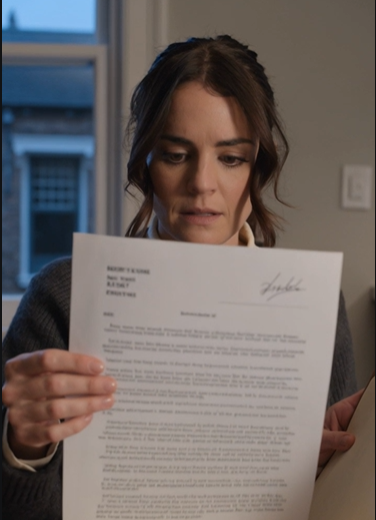
My father cut me out of his will two days before Thanksgiving because I refused to guarantee my sister’s $48,000 art-studio lease. Then Rachel texted me, “Don’t come Thursday. Dad says you’re not family when it matters.” I was 35, living in Boston and working in finance for a nonprofit, and I had spent most of my adult life being the dependable daughter—the one who covered medical bills, repaired emergencies, and quietly rescued whatever everyone else let fall apart. The strange part was the inheritance threat. The biggest thing my father still talked about leaving behind was our family house on Ashwood Street. What Rachel apparently didn’t know was that a year earlier, my parents had sold that house to me to stop it from going into foreclosure. And that Thanksgiving week, someone started trying to move the property back out of my name.
Rachel’s request had come three weeks earlier.
She wanted to open a children’s art studio outside Boston and had found a storefront she loved. The landlord wanted a personal guarantor because Rachel’s business had no operating history.
She called me during lunch.
“You work in finance,” she said. “You know this is normal.”
“I know exactly what a personal guarantee is.”
“So you’ll sign?”
“No.”
There was silence.
Then she laughed like I had made a joke.
I offered to review her budget, help negotiate the lease, and even pay for an hour with a small-business attorney.
What I would not do was guarantee $48,000 in rent.
By dinner that Sunday, my father knew.
Charles Morgan had spent my whole childhood treating Rachel’s wants like delicate emergencies and mine like tests of character.
Rachel got the private birthday dinners.
I learned to be grateful for grocery-store cake.
Rachel cried when college overwhelmed her.
I sent $2,500 so she could start graduate school on time.
When our mother, Linda, had a stroke, I took leave, handled insurance paperwork, and paid the hospital balance while Rachel arrived two days later and collapsed crying into Dad’s arms.
“She feels things deeply,” he told me.
Apparently I did not.
The year before, I had discovered that Ashwood Street was close to foreclosure.
My parents had fallen behind on property taxes, then used a home-equity line to cover other debts. When the adjustable payment jumped, they couldn’t carry it.
My mother called me privately.
“I don’t want your father to lose the house,” she whispered.
There was no magical loophole.
There was a closing.
My parents sold me the property for enough to clear the mortgage, taxes, penalties, and closing costs. I used most of my savings and part of the inheritance my grandfather had left me.
Both of my parents signed.
I became the legal owner.
Then I gave them an eighteen-month rent-free occupancy agreement while they stabilized their finances.
I also paid the property taxes, insurance, and a furnace repair because I didn’t want my mother spending another winter worrying about heat.
Rachel knew I had “helped with the house.”
She apparently never asked how.
Neither did anyone thank me.
So when her Thanksgiving text arrived, I read it twice and put my phone facedown.
I didn’t argue about the will.
I didn’t remind anyone about the closing.
I didn’t drive to Ashwood Street with an apple pie and spend the evening washing dishes while Rachel entertained guests.
I stayed home.
Thanksgiving morning, I baked the pie anyway.
At 3:14 that afternoon, my father called.
I let it ring.
At 3:27, Rachel called.
I let that ring too.
Friday morning, an email arrived from Ben Walsh, the real-estate attorney who had handled the purchase.
Subject: Ashwood Street — please call me.
I assumed it concerned the occupancy agreement.
Instead, Ben said, “Did you authorize anyone to start transferring the house back to your parents?”
I sat upright.
“No.”
“I didn’t think so.”
He had received a title inquiry from an estate-planning firm representing my father.
The firm was preparing updated inheritance documents.
That alone wasn’t unusual.
What was unusual was the draft attached to the inquiry.
It described Ashwood Street as an asset Charles and Linda Morgan intended to leave to Rachel.
There was only one problem.
They didn’t own it.
Ben paused.
“Lily, there’s something else.”
He forwarded me the document.
At the top was a proposed corrective deed.
At the bottom was a blank signature line.
My name was printed underneath it.
I called Ben before I even finished reading the second page.
“Can they do this without me?”
“No.”
My title was clean, the closing had been valid, and nothing had changed ownership.
The corrective deed would only work if I voluntarily signed the house back to my parents.
I asked why an estate attorney would prepare it if nobody had spoken to me.
Ben forwarded the email chain that had accompanied the request.
My father had told the firm the property transfer to me had been “temporary.”
He claimed the family was correcting it before updating the will.
Then I reached the sentence that made my hands go cold.
“Lily will cooperate. She has always done what is best for the family.”
Below that, the attorney had asked whether Rachel’s planned business financing depended on the transfer.
Dad’s reply was one sentence.
“Yes. Timing matters because she needs the property available before year-end.”
I read it again.
Rachel hadn’t only wanted me to guarantee her $48,000 lease.
Someone was now trying to put my house back into my parents’ estate so its equity could somehow help her.
I asked Ben to send me everything.
A few minutes later another attachment arrived.
It was an email from my father to the estate firm.
The subject line read:
Ashwood transfer before Rachel financing closes.
I printed the email and laid it beside Rachel’s Thanksgiving text.
For several minutes I just looked at the two pages.
One told me I was no longer welcome at dinner because I would not risk my finances for Rachel.
The other assumed I would sign away a house because my father had decided doing so was best for Rachel.
The pattern was so clean that it almost felt impersonal.
That was what hurt.
There was no explosion.
No dramatic family meeting.
No moment when everyone consciously decided that I mattered less.
There was simply a long history of people learning that Lily would absorb the cost.
I called Ben again.
“What does ‘financing closes’ mean?”
“I don’t know yet.”
“Could she borrow against my property?”
“Not legally without your involvement. But if someone is representing the title incorrectly, I want to know who they’re talking to.”
He asked permission to contact my father’s estate attorney directly and clarify that I owned Ashwood Street and had not authorized a transfer.
I said yes.
Then I did something I should have done months earlier.
I pulled out the original closing folder.
I had kept it in a locked drawer with my tax records, but I had barely looked at it since signing.
The transaction was painfully ordinary on paper.
Purchase agreement.
Settlement statement.
Mortgage payoff.
Tax arrears.
Recording fees.
Occupancy agreement.
My parents’ signatures appeared again and again.
Charles Morgan.
Linda Morgan.
They had not been confused.
They had not accidentally transferred the house.
They had sat across from me at Ben’s conference table and knowingly sold it because the alternative was foreclosure.
I remembered that afternoon clearly.
My mother had cried when the final numbers appeared.
My father had barely spoken.
After signing, he shook Ben’s hand and said, “At least it stays in the family.”
At the time I thought he meant he was grateful.
Now I wondered if he had heard something completely different.
Maybe in his mind, selling me the house had never meant the house became mine.
Maybe it meant I was holding it until he wanted it back.
The next document in the folder was the occupancy agreement.
Eighteen months.
No rent.
My parents were responsible for ordinary utilities and routine upkeep.
I was responsible for taxes, insurance, and structural repairs.
I had gone beyond that agreement almost immediately.
When my mother mentioned the gas bill had jumped, I started paying it.
When the water heater failed, I covered that too.
When the back steps needed work, I paid the contractor.
I had quietly turned free housing into nearly free living.
Not because anyone forced me.
Because I could help.
That distinction mattered.
At 1:18 Friday afternoon, my mother called.
This time I answered.
“Hi, Mom.”
Her relief was immediate.
“Oh, thank God. Your father said you weren’t answering.”
“I was busy.”
There was a pause.
Then she said, “Rachel told me you stayed home yesterday.”
“Rachel told me not to come.”
“She was upset.”
“She quoted Dad.”
My mother exhaled.
“You know how he gets when he thinks someone is being disloyal.”
I looked at the email on my desk.
“Does he think I’m being disloyal because I won’t guarantee Rachel’s lease?”
“It’s more complicated than that.”
“What part?”
Another pause.
My mother had a particular kind of silence when she knew more than she wanted to admit.
I had heard it during childhood arguments.
During money problems.
During the year Dad stopped speaking to his brother and nobody would explain why.
“Mom, do you know Dad is trying to transfer Ashwood Street?”
Her breathing changed.
Not dramatically.
Just enough.
“Lily—”
“So you do.”
“He thinks the house should eventually go to Rachel.”
“The house belongs to me.”
“I know what the paperwork says.”
That sentence stopped me.
“What the paperwork says?”
“I don’t mean it like that.”
“How do you mean it?”
“He still thinks of it as our house.”
“You sold it to me.”
“We had no choice.”
“I know. That’s why I bought it.”
“He thinks once things settle down, everything can be put back the way it was.”
I stared at the wall.
“Did you?”
She didn’t answer.
“Mom, did you think I was going to give it back?”
“I thought maybe someday we would talk about it.”
“That is not what I asked.”
“No,” she said quietly. “I didn’t assume you would.”
At least she gave me that.
Then I asked the question I was afraid of.
“What does the house have to do with Rachel’s financing?”
My mother said she didn’t know the details.
I believed half of that.
She knew enough to be uncomfortable.
She told me Rachel had found an investor willing to help with her studio if she could show “family assets” behind the business.
I almost laughed.
“Family assets?”
“That’s how your father explained it.”
“My house is not a family asset.”
“I know.”
“Does Rachel?”
Silence again.
That was my answer.
I told my mother not to sign anything involving the property.
She promised she wouldn’t.
Before we hung up, she said, “Please don’t do anything that makes this worse.”
I looked at the stack of payments I had made over the previous year.
“Mom, I haven’t done anything yet.”
That evening Ben called.
My father’s estate attorney had responded immediately.
Once Ben provided the recorded deed, the attorney stopped work on the proposed transfer.
More importantly, he confirmed that my father had represented the original sale as a temporary arrangement intended to avoid foreclosure.
“There’s no mechanism that makes that true just because he says it,” Ben told me.
“What about the financing?”
“The attorney doesn’t know. Charles told him Rachel needed the property restored before a business transaction.”
“Could there already be a lender?”
“Possibly.”
Ben recommended ordering a fresh title report and placing an owner alert on the property so I would be notified if anyone tried to record a lien, deed, or other instrument affecting it.
I agreed.
Monday morning, the title report came back clean.
No mortgage.
No lien.
No deed change.
I felt relief for about twenty minutes.
Then a commercial lender called me at work.
The woman introduced herself as Erica Dawson from New England Community Capital.
“We’re verifying ownership of a property connected to a guarantor package,” she said.
I closed my office door.
“What property?”
She read the Ashwood Street address.
My stomach dropped.
“What guarantor package?”
She couldn’t provide confidential details until she confirmed my identity, and I refused to discuss anything substantive until Ben joined the call.
An hour later, the three of us spoke together.
Rachel had applied for a small-business loan.
The requested amount was $75,000.
The loan itself was not secured by Ashwood Street.
But the application described the property as a family-owned asset available to support Rachel if the business needed additional capital.
Attached to the application was an unsigned letter stating that the property would be transferred to Charles and Linda Morgan before closing.
The letter included an estimated value of $640,000.
It also referenced “future inheritance equity” expected to pass to Rachel.
I put my forehead against my hand.
Ben asked, “Was Lily Morgan listed anywhere?”
Erica hesitated.
“Her name appears in the title report we ordered.”
“Before that.”
“No.”
That mattered.
Rachel had not forged my signature.
Nobody had successfully pledged my house.
But they had built a financing narrative around property they did not control.
When the lender’s title search exposed the problem, they apparently began trying to make their story true after the fact.
That was the deeper betrayal.
My father had not asked whether I would help.
He had told people I would.
Then, when I said no to a much smaller guarantee, he excluded me from Thanksgiving and threatened my inheritance.
The inheritance threat had not been random anger.
It was pressure.
He believed the house should return to him.
He believed Rachel should eventually receive it.
And he believed I would cooperate because I always had.
Erica suspended the loan application pending clarification.
I thanked her.
Then I sat alone in my office for ten minutes.
My nonprofit managed programs for families dealing with housing insecurity, debt, and employment instability. My job was to help leadership build budgets that survived reality instead of depending on optimism.
I spent my workdays asking questions like:
What happens if this revenue disappears?
Who actually owns this asset?
What obligation are we assuming?
What risk are we pretending someone else will absorb?
I realized I had never applied those questions to my family.
In my family, I had been the unnamed contingency fund.
If something went wrong, Lily would fix it.
That night I created a spreadsheet.
Not because I planned to send anyone a bill.
Because I needed to see the relationship in numbers.
Hospital deductible: $6,840.
Rachel’s graduate-school payment: $2,500.
Roof repair contribution: $3,200.
Emergency car repair: $1,180.
Property closing cash: much more.
Furnace.
Insurance.
Taxes.
Gas.
Water heater.
Back steps.
By midnight, I stopped.
The number was not the point.
If I totaled every dollar, I knew what would happen.
Part of me would start arguing that I had earned better treatment because I had paid enough.
That wasn’t the lesson I wanted.
I should not have needed to buy respect.
The real issue was consent.
I had chosen those earlier acts of help.
Now my family was planning future acts of help without me.
Tuesday afternoon, Rachel finally called.
I answered.
She didn’t bother with hello.
“You contacted my lender?”
“They contacted me because I own the house you referenced.”
“You ruined the application.”
“The title search ruined your application.”
“You know what I mean.”
“I really don’t.”
She made a frustrated sound.
“Dad said the house was being transferred back.”
“Did you ask me?”
“He said you’d sign.”
“Did you ask me?”
“No, because I didn’t think I needed to.”
There it was.
I leaned back in my chair.
“You wanted me to guarantee forty-eight thousand dollars in rent.”
“Yes.”
“I said no.”
“You said no without even trying to understand what I’m building.”
“I offered to review your budget and pay for a lawyer.”
“I needed support, Lily. Not another spreadsheet.”
“And when I said no, Dad told me not to come to Thanksgiving.”
“I didn’t tell him to do that.”
“You sent the message.”
“Because nobody wanted a fight at dinner.”
“So I was easier to remove.”
“That’s not fair.”
I almost laughed.
Rachel continued.
“You have always been different. You don’t need family the way the rest of us do.”
“That’s convenient.”
“What is that supposed to mean?”
“It means every time I handle something alone, you use it as proof that I don’t need anything.”
“You make everything transactional.”
“I’m talking about a house.”
“And I’m talking about family.”
I let the silence sit.
Then I said, “Family is not permission to use something I own.”
“Dad believes that house belongs to all of us.”
“Dad signed the sale.”
“He was desperate.”
“So was I when I emptied most of my savings to keep him from losing it.”
“You act like you did it for us, but now you’re holding it over everyone.”
“I have never asked Mom or Dad for rent.”
“That’s not the point.”
“No. The point is that you planned financing around my property and nobody asked me.”
Rachel’s voice sharpened.
“You always get to be the responsible one. Do you know how exhausting that is for everybody else?”
That sentence stunned me enough that I said nothing.
She kept going.
“You sit there with your job and your perfect little budget and make us feel reckless for needing help.”
“I don’t make you feel anything.”
“You do. You always have.”
I thought about being twelve and cleaning her room because Mom was tired.
About paying tuition she never repaid.
About standing in a hospital billing office while Dad comforted Rachel for being scared.
I could have listed everything.
Instead I asked one question.
“If I weren’t your sister, would you think it was acceptable to plan a loan around property you didn’t own?”
Silence.
Then she said, “This is why Dad changed the will.”
I closed my eyes.
“What exactly did he remove me from?”
She didn’t answer.
I knew why.
There was almost nothing substantial left in my parents’ estate.
Some savings.
A car.
Personal belongings.
The house had been the centerpiece.
The threat worked only if everyone pretended the house still belonged to Dad.
I said, “Rachel, I hope the studio works. I mean that. But Ashwood Street is not your financing plan.”
She hung up.
That evening I made my first real decision.
I was not going to retaliate.
I was not going to throw my parents out in December.
I was also not going to continue an arrangement built on the assumption that I would fund everything quietly while they treated ownership as temporary.
Their rent-free occupancy period had six weeks remaining.
Ben and I drafted a new agreement to begin afterward.
The rent was far below market.
Enough to cover a portion of taxes and insurance.
My parents would resume responsibility for gas, electricity, water, and ordinary household expenses.
I would remain responsible for structural repairs as the owner.
The agreement also stated clearly that they could not represent themselves as property owners or use Ashwood Street in any financing, estate plan, loan application, collateral package, or business representation without my written approval.
It was not punishment.
It was structure.
For the first time, family help would have terms everyone could see.
I mailed the agreement by certified delivery and emailed copies to both parents.
My mother called the same evening.
“Do we have to pay rent now?”
“Starting in January.”
“Your father is going to think you’re punishing him.”
“I know.”
“Are you?”
“No.”
She was quiet.
“I’ve paid the taxes, insurance, gas, and major repairs for a year. I can’t keep doing that while Dad tells lenders the house is his.”
“He’s embarrassed.”
“I’m sure he is.”
“He thought you would eventually give it back.”
“He never asked.”
“He has trouble asking you for things.”
I almost laughed.
My father had never had trouble asking me for money.
He had trouble asking when the answer might be no.
“Mom, I’m not changing your locks. I’m not telling you to leave. I’m asking you to sign a real agreement for a house I legally own.”
“I understand.”
“Do you?”
Another silence.
Then she surprised me.
“Yes.”
My father did not call.
He sent the agreement back unopened.
Three days later, Cousin Emma called me.
Emma was my mother’s niece and one of the few relatives who managed to stay out of family factions.
“I probably shouldn’t get involved,” she said.
“Then don’t.”
“That’s fair. But I think you need to know what people are being told.”
I sighed.
“What version?”
“That you bought the house from your parents for almost nothing when they were vulnerable, and now you’re charging them rent because Charles chose Rachel in his will.”
I stared at my kitchen counter.
“Who said that?”
“Your dad at Thanksgiving. Rachel has repeated it.”
I felt something inside me go very still.
“How much do they say I paid?”
“No number. Just that you took advantage.”
I had paid enough to satisfy the mortgage, overdue taxes, penalties, and transaction costs. My parents had walked away from closing debt-free on the property.
I had also given them eighteen months of free occupancy.
Ben had insisted on getting an independent valuation before the sale specifically because he did not want anyone later claiming I had exploited them.
At the time, I thought he was being overly cautious.
Now I understood.
“Emma, did Dad tell anyone the house was six weeks from foreclosure?”
“No.”
“Did he tell anyone there was a bank payoff?”
“No.”
“Did he say both he and Mom had their own lawyer available to review the sale?”
There was a long pause.
“No.”
I rubbed my forehead.
Emma lowered her voice.
“I don’t think your mom agrees with what he’s saying.”
“How do you know?”
“She left the room.”
That sounded like my mother.
Not defending me.
Not joining him.
Leaving.
The old middle ground where she had spent most of her life.
I thanked Emma and ended the call.
Then I called Ben.
“I need the closing file organized.”
“For what?”
“Not social media. Not a public fight. I just need something ready if this becomes a legal problem.”
He understood immediately.
Within two days, he assembled a clean packet:
Independent property valuation.
Mortgage payoff.
Tax arrears.
Closing statement.
My parents’ signed sale agreement.
Proof they had separate opportunity for legal review.
Recorded deed.
Occupancy agreement.
Repair invoices.
Not every gas bill.
Not Rachel’s tuition.
Not Mom’s hospital expenses.
Only the house.
Facts connected to the house.
Ben emailed it with a note:
Truth works better when it doesn’t look like revenge.
I printed that sentence and kept it.
The following week, New England Community Capital formally denied Rachel’s loan application.
The reason was not my refusal to guarantee anything.
The lender cited inconsistencies in the asset representations and insufficient independent business collateral.
Rachel texted me at 6:40 that night.
You got what you wanted.
I did not respond.
At 7:12:
Hope the house was worth losing everyone.
I still did not respond.
At 8:03:
Dad says you have thirty days to change your mind before he makes this permanent.
That one almost impressed me.
He was threatening to permanently exclude me from an estate whose central asset he no longer owned, hoping I would transfer the asset back so the threat would regain value.
The financial logic was terrible.
The emotional logic was familiar.
I forwarded the messages to Ben.
Then I blocked Rachel for the night.
The next morning, I received a call from my mother.
She sounded tired.
“Your father says he won’t sign your lease.”
“Okay.”
“What happens if he doesn’t?”
“The free occupancy agreement ends January fifteenth.”
“And then?”
“Then we need a legal occupancy arrangement.”
“Would you make us leave?”
“I don’t want to.”
“That isn’t what I asked.”
I took a breath.
“Mom, I will not let Dad live in my house indefinitely while denying I own it, refusing an agreement, and trying to use it in Rachel’s financing.”
She was silent.
“I’m giving you both a reasonable lease. Below market. No surprise clauses. Ben told Dad to have his own lawyer review it.”
“He says signing would mean admitting you won.”
That sentence hurt more than I expected.
“This is not a contest.”
“I know.”
“Does he?”
“No,” she whispered.
Two days later, she came to Boston alone.
She arrived at my apartment carrying a round tin of ginger cookies.
The same kind she had made when I was a kid.
For a second, I was eight years old again.
Then she looked at me and said, “I need to tell you something about Thanksgiving.”
We sat at my small kitchen table.
I made tea.
Mom kept both hands around the mug without drinking.
“Your father told Rachel the house would be hers,” she said.
“When?”
“Months ago.”
I waited.
“He said when we updated the will, Ashwood would go to her because she needs security.”
I almost interrupted.
Mom raised one hand.
“I know.”
“Did he tell her I own it?”
“He said your ownership was temporary.”
“Why?”
“Because that is what he wanted to believe.”
I stared at her.
“How long have you known Rachel thought she was getting the house?”
“Since September.”
“Why didn’t you tell me?”
Her eyes filled, but she didn’t cry.
“Because I knew what would happen.”
“What would happen?”
“You would say no. Your father would feel humiliated. Rachel would say you were selfish. Everyone would fight.”
“So you let them build plans around my property.”
“I kept thinking he would stop.”
“That is not stopping anything.”
“I know.”
The tea went cold between us.
Then she said something I did not expect.
“The night before Thanksgiving, your father told Rachel he was cutting you from the will because you refused the guarantee. Rachel said maybe that would make you understand that family assets should stay with people who actually support the family.”
I laughed once.
Mom flinched.
“Do you hear how that sounds?”
“Yes.”
“The family asset is mine.”
“Yes.”
“And supporting the family apparently means giving Rachel whatever she needs.”
“I know.”
“Mom, you keep saying you know.”
She looked down.
“I don’t know what else to say.”
For the first time in years, I didn’t rescue her from the discomfort.
We sat there.
Finally she whispered, “I should have defended you.”
The sentence was simple.
No explanation.
No excuse.
I felt tears rise before I could stop them.
Not because the apology fixed anything.
Because I had waited most of my life to hear her name the thing that happened.
“I needed you to,” I said.
“I know.”
“You watched Dad make me the responsible one and Rachel the protected one.”
“Yes.”
“You watched me pay for things.”
“Yes.”
“And every time I handled it, everyone acted like that proved I needed less.”
She nodded.
“I’m sorry.”
I looked toward the window.
Boston was gray outside, the trees stripped down for winter.
“I don’t want Dad homeless.”
“I know.”
“I don’t want you homeless either.”
“I know.”
“But I won’t sign the house back.”
“I’m not asking you to.”
That was the first time anyone in my family said it plainly.
Mom signed the new lease that afternoon.
My father refused.
Legally, that created a problem Ben had warned us about. The occupants had been my parents jointly under the original agreement. Replacing it with a new agreement signed by only one of them required care.
We did not change locks.
We did not shut off utilities.
We did not send city workers.
Ben served my father formal notice that the original rent-free occupancy would end on January fifteenth and offered the new lease again.
Dad responded through his own attorney.
That was actually a relief.
Once lawyers were involved, the story got less dramatic and more factual.
His attorney reviewed the closing file.
Three days later, Ben called me.
“I don’t think his lawyer likes his position.”
“What does that mean?”
“It means he has explained to Charles that the sale was valid and there is no legal theory that automatically returns the property because you’re his daughter.”
I laughed despite myself.
“What about the corrective deed?”
“Dead.”
“Rachel’s financing?”
“Dead unless she finds a different structure.”
“And the lease?”
“He still says he won’t sign.”
“Why?”
“Pride would be my guess, but pride isn’t a legal argument.”
January came.
My father moved out.
Not because I evicted him.
He chose to stay with Rachel rather than sign a lease acknowledging me as landlord.
My mother stayed at Ashwood Street.
That decision caused the next family explosion.
Rachel accused Mom of “choosing Lily.”
Dad told relatives I had broken up the household.
Mom surprised everyone by refusing to move.
“I am seventy-one years old,” she told Rachel during a call I overheard. “I am not packing my life because your father refuses to sign his daughter’s name on a piece of paper.”
I had never heard my mother speak to Rachel that way.
Apparently neither had Rachel.
Mom paid the below-market rent from her pension.
She took over the gas and electric bills.
The first month, she called because she couldn’t figure out the utility portal.
My instinct was immediate.
“I’ll do it.”
Then I stopped.
“No,” I said. “I’ll show you how.”
There was a difference.
I drove out that Saturday.
We sat together at the kitchen table in Ashwood Street with her laptop open.
For once, I was not quietly paying the bill while everyone assumed it handled itself.
I showed her where the account number went.
How to set reminders.
How to review charges.
How to call if something looked wrong.
She wrote everything in a notebook.
At one point she smiled sadly.
“You learned all this because we made you.”
“Some of it.”
“I’m sorry for that too.”
I didn’t tell her it was okay.
Some things are not made okay by understanding them.
But understanding still matters.
My father did not speak to me for nearly three months.
Then one Tuesday in March, he showed up at my office.
The receptionist called upstairs.
“There’s a Charles Morgan here to see you.”
I almost said I was unavailable.
Then I looked through the glass wall and saw him sitting in the lobby.
He seemed smaller.
Not physically.
The certainty around him was gone.
I invited him into a conference room.
He refused coffee.
For a while neither of us spoke.
Then he put an envelope on the table.
Inside was a printed copy of his updated will.
I did not touch it.
“I took Rachel off the house,” he said.
“The house was never in your will to give.”
His jaw tightened.
“I know that now.”
I waited.
He looked toward the window.
“When we sold it to you, I thought of it as paperwork.”
“That was the problem.”
“I thought I would fix things later.”
“By asking me?”
“No.”
At least he was honest.
“I thought you would understand.”
I almost laughed.
He rubbed his hands together.
“I’ve said that about you your whole life.”
“Yes.”
“You were the one who understood.”
“Yes.”
“I thought it was a compliment.”
“It became a job.”
He looked at me.
That landed.
I continued.
“When Rachel needed something, you protected her.”
“She needed more.”
“You decided that because she showed you more.”
His eyebrows pulled together.
“What does that mean?”
“She cried. She asked. She failed loudly. I handled things quietly, so you assumed I was fine.”
He looked down.
I thought about the hospital hallway.
The birthday dinners.
The tuition.
The house.
“You told me not to stand out,” I said. “You told me to be useful.”
His face changed.
He remembered.
“I was hard on you.”
“You were dependent on me.”
“That too.”
The room stayed quiet.
Finally he pushed the envelope toward me.
“I’m not asking you to sign the house back.”
“Good.”
“I’m not asking you to guarantee Rachel’s business.”
“Good.”
He almost smiled.
Then he said, “I am asking whether there is any way back from this.”
I thought about that carefully.
“Back to what?”
He frowned.
“Family.”
“The old version of family worked very well for you.”
He looked hurt.
I let him.
Not cruelly.
I simply stopped rushing to remove consequences from his face.
“If you mean can we have some kind of relationship, maybe.”
“What would it take?”
“Stop asking me to prove love financially.”
He nodded slowly.
“Stop treating Rachel’s disappointment like an emergency I caused.”
Another nod.
“And stop describing anything I own as family property unless I say it is.”
He looked at the table.
“That last one seems obvious now.”
“It was obvious before.”
He accepted that.
We did not hug when he left.
I did not need the meeting to become a movie scene.
He came.
He listened.
He left without demanding anything.
For us, that was progress.
Rachel was harder.
Her studio did not open that winter.
She lost part of the deposit she had put down on the space.
For months, she blamed me.
Then she found a smaller storefront with lower rent and no personal-guarantee requirement beyond six months. She financed equipment through a local small-business program and took a part-time teaching job while building enrollment.
I learned about it from Mom.
My first reaction embarrassed me.
I was relieved.
Then angry.
Because the smaller, more responsible version of the business was exactly what I had suggested in the first place.
I had offered to help her build a budget.
She had wanted me to replace a budget.
Six months after Thanksgiving, Rachel emailed me.
No subject line.
I almost deleted it.
The message was short.
I owe you an apology, but I’m not ready to pretend I understand everything you’re angry about.
That was very Rachel.
Even her apology wanted a negotiation.
I kept reading.
Dad told me for months that Ashwood would come to me. I built plans around that because I wanted to believe him. When you said no to the lease guarantee, I saw it as one more example of you keeping resources away from me.
I know now the house was yours, legally and financially, and that you saved it when Mom and Dad were going to lose it.
I should have asked.
I should not have sent that Thanksgiving text.
I stared at the screen.
Then I reached the last lines.
I’m still angry about some things. I assume you are too.
But I finally understand that being angry doesn’t make me entitled to what belongs to you.
I read that sentence several times.
It was enough for me to answer.
I wrote back:
Thank you for saying that.
I’m not ready to go back to normal.
But I’m willing to stop treating silence as the only safe option.
We did not become best friends.
We met for coffee two months later.
She cried.
I did not.
Then, unexpectedly, we laughed about how terrible our father was at apologizing.
That was the beginning of something different.
Not repaired.
Different.
By the next Thanksgiving, Ashwood Street no longer felt like a weapon.
Mom still lived there under the lease.
Dad had moved back after six months.
To do that, he had to sign the same agreement he had once refused.
He paid his share of the rent.
He transferred his half to me electronically on the first of every month.
The first payment memo said:
Ashwood rent.
Nothing else.
I stared at it longer than I should have.
A year earlier, he had tried to treat the house as an inheritance he could use to pressure me.
Now he was acknowledging reality in six characters and one word.
It was not love.
It was accountability.
Sometimes accountability is the first language people have to learn before they can speak honestly about love.
I went to Thanksgiving that year.
Not because anyone demanded it.
Because I chose to.
I brought apple pie.
When I entered the house, Mom hugged me in the hallway.
Dad took the pie from my hands and said, “You’re a guest tonight. Sit down.”
I raised one eyebrow.
“A guest?”
He sighed.
“You know what I mean.”
“I really don’t.”
He actually laughed.
“Sit down, Lily.”
There was a chair for me.
A real one.
Not an extra folding chair dragged in from the basement.
Not a place beside the kitchen doorway where I could be asked to get things.
My name was written on a small card Mom had put beside the plate.
It was probably corny.
I kept it anyway.
Rachel arrived twenty minutes later.
She brought a tray of roasted vegetables and apologized in advance because some were burned.
Nobody asked me to fix them.
That might have been my favorite part of the evening.
Halfway through dinner, Dad started talking about wills.
I nearly choked on my water.
Mom slapped his arm.
He lifted both hands.
“No, no. I’m not making announcements.”
Rachel groaned.
“Please don’t.”
He looked at me.
“I just wanted to say I finally met with the lawyer and updated everything based on what we actually own.”
“Excellent financial concept,” I said.
Rachel laughed so hard she spilled wine.
The conversation moved on.
That was another thing I had learned.
Healing did not require a family summit every time we sat together.
Sometimes the proof was smaller.
Nobody asking what I could pay.
Nobody promising my property to someone else.
Nobody telling me I was too strong to need consideration.
After dinner, Mom and Rachel started clearing plates.
I automatically stood.
Mom pointed at me.
“Sit.”
“I can help.”
“I know.”
Those two words almost undid me.
Not You don’t need to.
Not You’re the responsible one.
I know.
She knew I could help.
She no longer assumed I had to.
I sat back down.
From the dining room I could see the kitchen where, a few years earlier, I had spent most of Thanksgiving scrubbing pans while everyone else talked.
This time Rachel was at the sink.
Dad was drying.
Mom was packing leftovers.
I was sitting at the table.
It should not have felt revolutionary.
It did.
Ashwood Street is still in my name.
I never transferred it back.
I no longer hide that fact to protect anyone’s pride.
My parents pay below-market rent that covers most of the carrying costs. I handle major property repairs like any owner should. They handle their utilities and daily expenses.
The arrangement is written down.
Boring.
Clear.
Healthy.
Rachel’s studio eventually opened in a smaller space.
It did not become an overnight success.
She teaches after-school classes four days a week, hosts weekend workshops, and complains constantly about insurance premiums.
Once, she called me and said, “I finally understand why you kept telling me to build cash reserves.”
I said, “Do you want advice or sympathy?”
She laughed.
“Sympathy first.”
So I gave her sympathy first.
Then she asked for advice.
That difference mattered too.
At work, I started noticing how often I used the phrase “financial boundaries” with organizations while avoiding it in my personal life.
Eventually, with my employer’s permission, I developed a workshop for the families we served.
Not about cutting relatives off.
Not about becoming cold.
About distinguishing generosity from obligation.
We talked about co-signing.
Shared cards.
Informal loans.
Property.
Caregiving.
Family businesses.
What happens when “You can afford it” becomes “You owe us.”
At the first workshop, a woman in her fifties waited until everyone else left.
“My son keeps asking me to put his business on my house,” she said. “He says if I believe in him, I should do it.”
I thought about Rachel.
My father.
The corrective deed with my name waiting at the bottom.
I asked the woman one question.
“If he weren’t your son, would the financial decision make sense?”
She looked at me for a long time.
Then she shook her head.
That question became part of every workshop afterward.
Family changes the emotional context.
It does not change the mathematics.
It also does not erase consent.
The folder from that Thanksgiving is still in my filing cabinet.
Inside it are the proposed corrective deed, Dad’s email to the estate attorney, the clean title report, and the first lease my mother signed.
I could probably shred most of it now.
I keep it because it marks the moment I finally understood what had been happening.
My family had spent years praising me for being dependable.
What they really praised was predictability.
They knew I would show up.
They knew I would absorb inconvenience.
They knew I would solve whatever problem had reached crisis level.
They knew I hated scenes.
They knew I preferred quietly paying to publicly arguing.
And because I rarely said what something cost me, they started believing it cost me nothing.
The house changed that.
Not because I threatened anyone with ownership.
I never had to.
The deed simply created a boundary they could not emotionally redefine.
For once, “family” could not alter the fact.
I owned the house.
They needed my consent.
No speech could change that.
No Thanksgiving exclusion could change that.
No will could change that.
The first time my father really understood the shift was not when Ben sent the legal notice.
It was when I allowed him to be unhappy without fixing his unhappiness.
That was new for both of us.
For most of my life, someone else’s disappointment had functioned like an invoice.
I received it.
I paid it.
The Thanksgiving after everything changed, I drove home after dinner through light snow.
My apartment was warm when I arrived.
I put the little place card with my name on the kitchen counter.
Then I made tea.
There was no dramatic feeling of victory.
I did not feel that I had finally won the house.
The house had never been the real prize.
The real change was much quieter.
My father could be disappointed in me, and I could still be a good daughter.
Rachel could want something from me, and I could still say no.
My mother could feel afraid of conflict, and I did not have to become invisible to keep her comfortable.
I could help without becoming responsible for everything.
I could love people without giving them ownership of my decisions.
For years, I thought being useful was the safest way to keep my place in the family.
Then my father told me I had no place at Thanksgiving because I would not guarantee Rachel’s lease.
Strangely, that was the thing that finally freed me.
Once they removed my chair, I stopped fighting to earn it back.
I looked at what was actually mine.
My apartment.
My career.
My savings.
My choices.
My name on the deed.
And I learned that a boundary does not have to sound dramatic.
Sometimes it is one quiet sentence.
No, I won’t sign that.
Sometimes it is a lease.
Sometimes it is letting the phone ring.
Sometimes it is allowing someone you love to solve the problem they created.
And sometimes it is going back to the table later, not because you surrendered, but because this time there is a chair waiting for you that nobody expects you to pay for.







