My Sister Tripled My Rent After I Lost My Job—Then I Found the Condo Listing
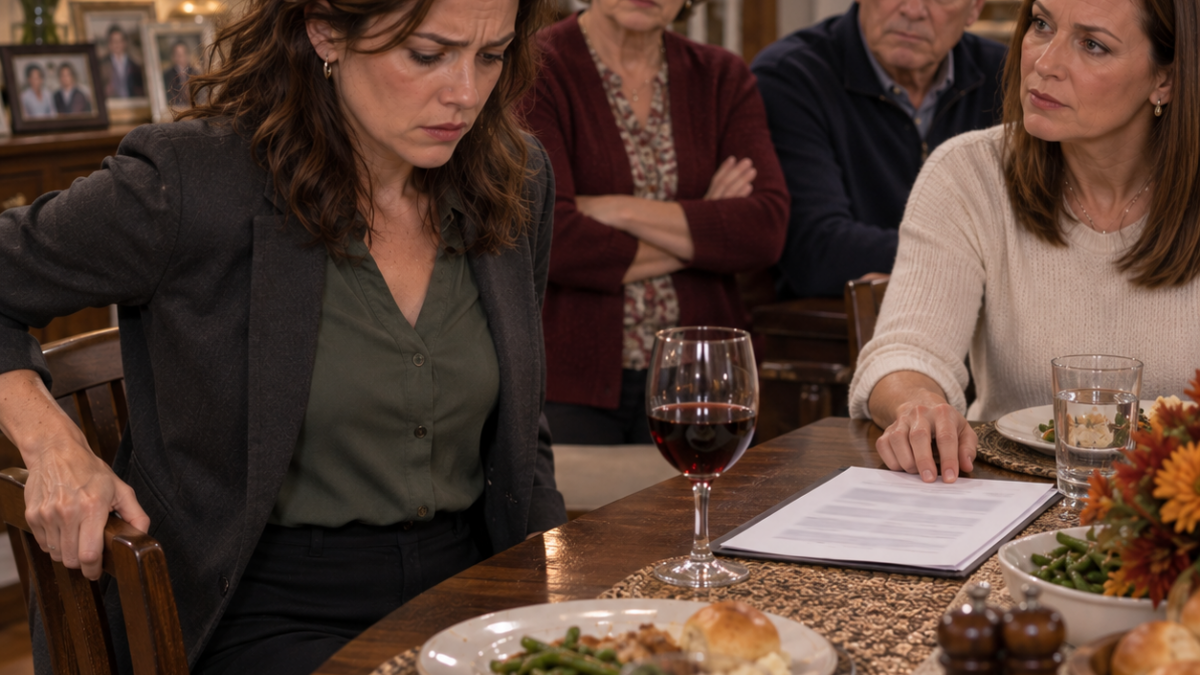
Two hours after I told my family I had lost the restaurant-management job I’d held for thirteen years, my older sister Rachel announced that the rent on her condo would jump from $2,000 to $5,400 a month. My mother called me a parasite when I asked for thirty days to regroup, and my father said Rachel had “carried me long enough.” I had spent nine years paying above-market rent, renovated most of the condo with my own money, and quietly covered thousands of dollars in family emergencies. I agreed to leave. Then, while packing the kitchen I had remodeled myself, I found the condo already listed online as a furnished executive rental for $3,100 a month. The listing had been published five days before I lost my job—and every photograph showed furniture that belonged to me.
My name is Brianna Mercer. I was thirty-five when this happened, and restaurants had been my entire adult life.
I studied hospitality management in college and started at the bottom anyway.
Hostess.
Server.
Shift supervisor.
Assistant manager.
General manager.
Regional operations manager.
By thirty-two, I was deputy director of operations for a seven-location restaurant group in Columbus, Ohio.
The company was called Marlow Dining.
It was not glamorous in the way customers imagined restaurant work was glamorous.
Most of my job involved labor reports, supplier contracts, food costs, customer complaints, equipment failures, health inspections, and trying to figure out why one location was suddenly using twenty percent more salmon than it was selling.
I loved it.
The owner, Victor Sloan, had hired me when I was twenty-two.
He taught me the business.
“Restaurants don’t fail because somebody forgot parsley,” he once told me. “They fail because nobody notices small problems becoming expensive habits.”
I remembered that sentence long after I stopped working for him.
For almost a decade, I also rented a two-bedroom condo from Rachel.
She had bought it during a difficult financial period after our grandparents helped with her down payment.
At the time, similar units rented for around $1,250.
My parents asked me to pay $1,500 because Rachel “needed breathing room.”
I agreed.
Five years later, after Rachel married Tom and had their daughter, Emma, she increased it to $2,000.
I agreed again.
I told myself family did not keep score.
Unfortunately, my family seemed very comfortable keeping mine.
I installed new kitchen appliances after the old ones failed.
I replaced cracked flooring.
I painted every room.
I paid for new light fixtures, window shades, and a washer and dryer.
Rachel praised my taste every time she visited.
She never offered to reimburse me.
I never asked.
Meanwhile, I saved.
Every month, something went into what I privately called the Juniper Fund.
Juniper was the name I had chosen for the restaurant I wanted to open one day.
I had menus.
Vendor estimates.
Staffing models.
Lease assumptions.
Break-even projections.
I even knew what chairs I wanted.
By the time I was thirty-five, I had saved just over $176,000.
Then Victor retired.
His daughter Madison took over.
She was twenty-six, smart, well educated, and convinced experience was another word for resistance.
During her second week, she called me into Victor’s old office.
The heavy oak desk was gone.
So were the staff photographs and supplier maps.
Everything was glass, white walls, and brushed metal.
Madison motioned for me to sit.
“I’m rebuilding leadership.”
I already knew where this was going.
She continued.
“You’ve been here a long time.”
“Thirteen years.”
“Exactly.”
She smiled as though I had proved her point.
“I need people who aren’t emotionally attached to legacy systems.”
“I built several of those systems.”
“I know.”
“That’s why they work.”
Her smile disappeared.
She told me she wanted to bring in a former classmate as director of operations.
My position would be eliminated.
Two weeks severance.
Three weeks of health insurance.
Thirteen years condensed into a folder.
I did not beg.
I documented my active projects, transferred supplier contacts, trained the people who would inherit my responsibilities, and walked out on a Friday carrying one cardboard box.
Three days later, I told my family over Sunday dinner.
Rachel stopped eating.
“You still have savings, right?”
That was her first question.
My father looked concerned.
“Enough to cover rent?”
“I’ll be okay for a while.”
Rachel leaned back.
“Actually, we should talk about that.”
She had calculated a new rent.
$5,400.
I thought she was joking.
She wasn’t.
“Rachel, that is almost three times what I pay now.”
“You’re unemployed. That increases my risk.”
“You’re my sister.”
“I’m also your landlord.”
Mom sighed.
“Brianna, don’t make this ugly.”
“I’m asking for thirty days.”
Rachel shook her head.
“No. If you can’t afford the new rate, I want the apartment back.”
Dad said, “Rachel has carried you long enough.”
I stared at him.
“I have paid her rent for nine years.”
Mom frowned.
“And now you don’t have a job. Adults plan for these things.”
“I did plan.”
“Then use your savings.”
Rachel looked at me.
“You have seventy-two hours to decide.”
I stood.
“I already decided.”
Everyone went quiet.
“I’ll move.”
Mom actually scoffed.
“Where?”
“That’s not your problem.”
Her face hardened.
“Don’t act proud when you’re the one becoming a parasite.”
I drove home without crying.
The next morning, I started packing.
By Tuesday afternoon, half the kitchen was in boxes.
I searched online for the model number of the refrigerator because I still had the receipt somewhere.
Instead, a familiar photograph appeared in the search results.
My kitchen.
My dining table.
My sofa.
The Scandinavian bookshelves I had bought with my first management bonus.
Rachel’s condo was already listed for rent.
$3,100 a month.
Fully furnished.
Available immediately.
The posting date was five days before I had told anyone I lost my job.
I opened every photo. My sofa was included. My dining chairs were included. The bedroom dresser I had bought three years earlier was included. Even the espresso machine on my counter appeared beneath the words: Turnkey executive rental.
I called the listing agent.
“I’m the current tenant,” I said.
There was a pause.
“Oh.”
“When did Rachel Mercer contact you?”
“About two weeks ago.”
Two weeks.
Madison had not even fired me then.
Rachel had already planned to replace me.
“Did she say the unit would be furnished?”
“Yes.”
“With whose furniture?”
Another pause.
“I assumed it belonged to the owner.”
I thanked her and hung up.
Then I found the draft lease Rachel had emailed the agent.
Move-in date: Monday.
My seventy-two-hour deadline ended Sunday night.
This was never about unemployment risk.
My job loss had simply given my family a story that made throwing me out sound respectable.
I photographed every room.
Then I pulled nine years of receipts from the file box in my closet.
Appliances.
Washer and dryer.
Shelving.
Furniture.
Lighting.
Window treatments.
Almost everything visible in Rachel’s “furnished” listing had been purchased by me.
At the bottom of the stack was an old envelope from the bank.
Inside was the cashier’s check from my first month in the condo.
$1,500.
I started adding.
Nine years of rent.
Improvements.
Family loans.
Emergency payments.
By midnight, the number on my spreadsheet had crossed $220,000.
For the first time, I stopped asking whether my family appreciated what I had given them.
I started asking what would happen when I stopped.
The next morning, I called an attorney.
Not because I wanted to sue Rachel.
Because I wanted to know exactly what I could take with me.
Her name was Denise Warren.
She specialized in landlord-tenant disputes and small-business leases, which would become useful to me in more ways than either of us expected.
I showed her the lease.
Then the receipts.
Then photographs.
She separated everything into three categories.
Personal property.
Potential fixtures.
Improvements that belonged to the unit once installed.
“The sofa is yours,” she said.
“I assumed.”
“Dining furniture, beds, television, freestanding shelving, washer and dryer if they’re not specifically listed as landlord property, small appliances, curtains, lamps. All yours.”
“What about the refrigerator?”
She examined the lease.
“Gray area because you replaced a failed landlord appliance without a written reimbursement agreement.”
“I paid $2,300.”
“I believe you.”
“That doesn’t mean I can take it?”
“It means I don’t want you creating a larger dispute over an appliance when you have cleaner claims.”
That was disappointing.
But useful.
“What about the pendant lights?”
“Installed fixture.”
“Flooring?”
“Definitely staying.”
“Built-in bookshelves?”
“Staying.”
I sat back.
“So Rachel benefits from thousands in improvements.”
“Yes.”
Denise waited.
“Does that bother you?”
“Of course.”
“Enough to spend ten thousand dollars fighting over five?”
I thought about it.
“No.”
“Good. Leave with what is clearly yours and document the condition.”
That became my rule.
Clean exit.
Not dramatic exit.
I rented a storage unit.
I hired movers.
I booked an extended-stay hotel for a week while I found another apartment.
Then I removed everything I legally owned.
Rachel arrived Friday afternoon.
She walked in and stopped.
The condo looked enormous.
Bare walls.
Empty dining area.
No rugs.
No sofa.
No bed.
No art.
No decorative shelving.
The washer and dryer were disconnected and waiting beside the movers.
Her face turned red.
“What did you do?”
“I moved.”
“You took everything.”
“I took everything I purchased.”
“The listing includes furniture.”
“You listed my furniture.”
“You knew I needed it furnished.”
“I found out Tuesday.”
She followed me into the kitchen.
“At least leave the washer and dryer.”
“No.”
“Brianna.”
“I have receipts.”
“You can’t just strip the place.”
“The flooring stayed.”
“That isn’t funny.”
“I wasn’t joking.”
She looked toward the living room.
“What about the bookshelves?”
“Built in. Yours.”
“You’re being vindictive.”
I turned.
“Rachel, you listed my belongings for rent before you told me to move.”
“We were planning ahead.”
“Good. Plan for furniture.”
Her eyes narrowed.
“You always do this.”
“Do what?”
“Keep score.”
I almost laughed.
“You raised my rent from two thousand dollars to fifty-four hundred within minutes of hearing I lost my job.”
“That was because I knew you couldn’t pay.”
There it was.
Not risk.
Not business.
She wanted me out.
“Why?”
She crossed her arms.
“Corporate tenants pay more reliably.”
“Three thousand one hundred, apparently.”
Her face changed.
“You saw the listing.”
“Yes.”
“That rate doesn’t include utilities and cleaning.”
“It’s still not fifty-four hundred.”
She looked away.
For the first time, I saw embarrassment.
Not remorse.
Embarrassment at being caught.
“Mom and Dad know?”
I asked.
Silence.
“Rachel.”
“They knew we wanted to rent it differently.”
“Before I lost my job?”
“Yes.”
That hurt more than I expected.
My parents had sat across from me at dinner and called me a parasite while knowing Rachel was already replacing me.
“Why didn’t anyone tell me?”
Rachel exhaled.
“Because you make everything emotional.”
I stared at her.
Then I picked up the final box.
“I’ll mail the keys.”
“You still owe this month.”
“Paid through Sunday.”
“You owe a cleaning fee.”
“The lease says normal wear.”
“I’ll take it from the deposit.”
“Then communicate with Denise Warren.”
“Who?”
“My attorney.”
That ended the conversation.
Rachel returned most of my deposit three weeks later.
She withheld $380 for patching nail holes and cleaning.
Denise reviewed the itemization.
It was reasonable.
I accepted it.
I did not need to win every dollar.
I needed to leave.
My new apartment cost $1,425 a month.
One bedroom.
Smaller.
Better location.
Natural light.
The first night there, I sat on the floor eating Thai takeout because my dining table was still in storage.
I expected loneliness.
Instead, I felt relief.
Nobody could increase the rent at a family dinner because this landlord had to follow a lease.
Nobody could call my home a favor.
Nobody could turn my refrigerator into evidence of their generosity.
I slept nine hours.
Then I woke up and started working on Juniper.
The first version of Juniper Table had lived on my laptop for nearly ten years.
The concept changed constantly.
At twenty-six, I wanted an expensive chef-driven restaurant.
At thirty, I wanted a neighborhood wine bar.
By thirty-five, I knew exactly what I wanted.
A modern neighborhood restaurant serving food people recognized but executed carefully.
Roasted chicken.
Short ribs.
Pasta.
Good salads.
Seasonal sandwiches at lunch.
A serious burger.
Desserts made in-house.
Nothing designed to look impressive on social media while disappointing the person eating it.
Good food.
Good service.
Good margins.
I had $176,000 saved.
Losing my job made part of that money feel like emergency protection.
Opening a restaurant meant putting it at risk.
So I did not dump all of it into the business.
I gave myself a personal reserve of twelve months of basic expenses.
That left just under $135,000 available.
I found a former bakery in Grandview Heights.
The location was ugly.
The rent was manageable.
The kitchen hood already existed.
That mattered because installing one from scratch could destroy a startup budget.
The electrical system needed work.
The bathrooms needed updating.
The dining room looked like 1998 had refused to leave.
But foot traffic was good.
There were apartments, offices, and older homes nearby.
I signed a five-year lease with renewal options after Denise reviewed every clause.
She smiled when she saw the folder.
“You’re more careful than most first-time restaurant owners.”
“I recently learned the value of reading leases.”
I negotiated three months of reduced rent during construction.
The landlord contributed part of the electrical upgrade.
I financed equipment rather than draining all my cash.
Then I applied for a small-business loan.
The bank did not hand me money because I had enthusiasm.
They wanted projections.
Experience.
Collateral.
Personal financial statements.
A business plan.
For once, thirteen years of restaurant operations mattered exactly as much as I thought it should.
My lender approved $110,000.
I did not celebrate until the funds closed.
Then I bought a bottle of sparkling wine.
I drank one glass.
The rest stayed in the refrigerator for three days because I was too busy.
I hired four people I trusted from previous jobs.
Tasha Bennett had managed Marlow’s Easton location.
Miguel Ortiz was a kitchen supervisor who understood food costs better than several chefs I had known.
Naomi Price had worked front-of-house training.
And Jamal Reed had spent years doing delivery logistics during the period when takeout became a major part of our business.
None of them left Marlow because I recruited them behind anyone’s back.
Tasha had already resigned after Madison reassigned her.
Miguel’s hours had been cut.
Naomi had moved to another company.
Jamal was freelancing.
I offered wages.
Small profit-sharing after the first year if we survived.
Nobody received fantasy promises.
Construction took eleven weeks.
Every day produced a problem.
The walk-in cooler compressor failed during testing.
A permit inspection had to be repeated because a contractor installed the wrong sink configuration.
One batch of chairs arrived in the wrong finish.
The dishwasher we bought used leaked during its first cycle.
The opening sign was delayed.
I discovered why restaurant owners age quickly.
At one point, I sat on the unfinished dining-room floor at eleven at night eating crackers from a box.
Tasha sat beside me.
“You regret this yet?”
“Ask me after payroll.”
She laughed.
“You’ve wanted this forever.”
“I wanted the imaginary version.”
“What’s different?”
“The imaginary restaurant had working refrigeration.”
Juniper Table opened on a Tuesday.
That was intentional.
I did not want our first service happening during a Friday rush.
We had fifty-eight seats.
I expected maybe thirty customers.
We served seventy-four.
The kitchen fell behind by twenty minutes.
A server entered the wrong modifications on two orders.
One table sent back chicken because it was undercooked.
The card reader froze.
A child spilled lemonade across four place settings.
I loved every second.
Not literally.
Some seconds were terrible.
But when I locked the door after midnight, the restaurant belonged to me.
Not the building.
The lease reminded me of that.
But the decisions.
The systems.
The responsibility.
Mine.
The first three months were not profitable.
That is the part people skip when they tell entrepreneurship stories.
We lost $8,100 the first month.
$3,900 the second.
The third month came close to break-even.
I watched cash obsessively.
I changed the lunch menu.
Cut two dishes with weak margins.
Renegotiated bread deliveries.
Reduced operating hours on slow Mondays.
Added corporate catering after Naomi pointed out three nearby offices ordering mediocre sandwiches from a national chain.
The fourth month made a small profit.
$2,700.
I printed the monthly statement.
Not because the number was large.
Because it proved the model could work.
Month six produced $9,400 before debt service and owner distributions.
I still did not pay myself more than a modest salary.
Everything else stayed inside the restaurant.
I wanted reserves.
Experience had taught me what happened when people confused revenue with money available to spend.
My family knew none of this.
I had blocked Rachel, Tom, Mom, and Dad after moving.
I did not block Emma.
She was six.
She did not have her own phone anyway.
I sent birthday and Christmas gifts through an online store without notes about the adults.
For nearly eight months, nobody contacted me.
Then Mom found Juniper.
A former neighbor had posted a photo from dinner.
Mom called from an unfamiliar number.
I answered because I thought it might be a supplier.
“Brianna?”
My hand stopped over the keyboard.
“Mom.”
“Oh, thank God.”
I almost ended the call.
“We’ve been worried sick.”
“You had my email.”
“We wanted to give you space.”
“You called me a parasite.”
She sighed.
“Families say things when emotions are high.”
“Rachel gave me seventy-two hours.”
“She panicked.”
“She listed the condo before I lost my job.”
A pause.
“She told you that?”
“The listing told me.”
Mom changed direction immediately.
“We heard about the restaurant.”
Of course.
“That’s wonderful.”
“Thank you.”
“We’re proud of you.”
I sat back.
My own mother had not said she was proud when I became deputy director.
Now she sounded almost rehearsed.
“What do you need?”
Her sweetness vanished around the edges.
“Why do you always assume we need something?”
I waited.
She lasted twelve seconds.
“Tom was laid off.”
There it was.
“Rachel is having a hard time.”
“I’m sorry.”
“The condo tenant pays only thirty-one hundred.”
“Only?”
“She has expenses.”
“Yes.”
“Your father and I have been helping.”
I said nothing.
“We thought maybe you could contribute for a few months.”
“No.”
Mom inhaled.
“Brianna.”
“No.”
“You own a restaurant now.”
“That does not mean I have spare cash.”
“You always have savings.”
The sentence took me back ten years.
Rachel needs breathing room.
Dad needs a car payment.
Family helps.
Savings meant money they believed was idle because it had not yet been spent on them.
“I’m not contributing.”
Her voice hardened.
“So success has made you selfish.”
“No. Being called a parasite made me specific.”
She hung up.
Rachel texted from another number the next day.
You always hated me.
I deleted it.
Then Tom texted.
Emma asks about you.
That one hurt.
I replied once.
I love Emma. Adult financial issues should not involve her.
He wrote:
Then help her parents stay stable.
I blocked him.
A week passed.
Then something stranger happened.
Rachel made a reservation at Juniper.
Six people.
Sunday brunch.
The reservation name was Emma Mercer.
My niece.
Tasha showed me.
“Do you want me to cancel it?”
I considered it.
“No.”
“Really?”
“They can eat if they behave like customers.”
Sunday arrived.
My parents came with Rachel, Tom, Emma, and Aunt Carol.
They were seated at a large table near the windows.
I stayed in the kitchen for the first ten minutes.
Not because I was scared.
Because we were busy.
Eventually, Mom asked a server whether the owner was available.
Naomi came to find me.
“Your family?”
“Yes.”
“They’re already weird.”
“How?”
“Your sister told the server not to ring beverages because ‘Brianna won’t charge us.’”
I closed my eyes.
“I’ll handle it.”
I walked to the table.
Emma saw me first.
“Aunt Bri!”
She jumped up.
I hugged her.
That part was real.
“You got tall.”
“I’m seven.”
“Ancient.”
She laughed.
Then Mom stood as if we were reuniting after war.
She opened her arms.
I did not step into them.
“Hi, Mom.”
Her hands dropped.
Rachel watched me.
Dad said:
“Nice place.”
“Thank you.”
Tom leaned back.
“Looks like you’re doing pretty well.”
“We work hard.”
Mom gestured at the menu.
“We didn’t know what to order, so we thought you could send out your specialties.”
“You can order anything you like.”
Rachel smiled.
“Oh, come on. It’s family brunch.”
“Yes.”
“We’re not really paying, are we?”
There it was.
I had imagined this moment would make me furious.
Instead, I felt tired.
“This is a restaurant.”
Dad laughed.
“Brianna, don’t be ridiculous.”
A nearby table looked over.
I lowered my voice.
“Please don’t make a scene.”
Mom said:
“After everything, you’re going to charge your parents for breakfast?”
“Yes.”
Rachel’s face changed.
“You know why we came.”
“I suspected.”
“We thought we could talk.”
“Then order coffee.”
Tom said:
“We don’t have money for some fancy forty-dollar breakfast.”
“Our most expensive brunch entrée is twenty-two.”
“That isn’t the point.”
“What is?”
Rachel leaned forward.
“You owe us.”
I actually looked around the table.
“For what?”
She stared.
“You lived in my property for nine years.”
“I paid you more than two hundred thousand dollars in rent.”
“Which was still cheaper than buying.”
“I also renovated it.”
“You chose to.”
“Yes.”
“And you abandoned the family when we were struggling.”
“You removed me from my home when I was struggling.”
Mom interrupted.
“That was a misunderstanding.”
“No. It was extremely clear.”
Emma was looking between us.
I stopped.
This conversation was not happening in front of her.
I looked at Rachel.
“If you want to talk privately, email me.”
She shook her head.
“We drove here.”
“You made a reservation.”
“As family.”
“As customers.”
Tom laughed.
“So what are you going to do? Call security?”
I did not answer immediately.
Juniper was located in a mixed-use development with private security.
We had used them twice before.
Once for an intoxicated customer.
Once for someone threatening a server.
I did not want my family removed simply for being irritating.
Then Mom said loudly:
“Fine. Bring the food. If she wants to send us a bill afterward, she can embarrass herself.”
I looked at her.
“No.”
Dad’s face reddened.
“Don’t speak to your mother that way.”
“You may order and pay, or you may leave.”
Rachel crossed her arms.
“We’re not leaving.”
Tom said:
“We’ll sit here until you decide whether family matters more than money.”
Several tables were openly listening now.
Tasha stood near the host stand watching me.
I had fifty-eight seats.
Six were occupied by people announcing they would not pay.
This was no longer a family argument.
It was an operating problem.
I walked to the front.
Tasha asked:
“You sure?”
“Yes.”
She called security.
Two officers arrived within minutes.
I returned to the table with them.
One officer spoke.
“Folks, the owner has asked you to leave.”
Dad stood.
“This is our daughter.”
The officer nodded.
“Then you can discuss it somewhere that isn’t her business.”
Mom looked at me as if I had hit her.
“You would have security remove your own mother?”
“You refused to leave.”
Rachel said:
“You’re disgusting.”
I looked toward Emma.
She was crying quietly.
That nearly broke me.
I crouched beside her.
“This isn’t your fault.”
Rachel pulled her chair back.
“Don’t talk to her.”
I stood.
The officers escorted them out.
Nobody dragged anyone.
Nobody shouted except Rachel, who said I would regret humiliating them.
Dad complained to the security supervisor.
Mom cried.
Tom muttered something about family loyalty.
Emma held Rachel’s hand.
Then the door closed.
The dining room went silent.
I turned toward the customers.
“I’m sorry for the interruption.”
A man at table twelve raised his coffee.
“Families.”
Several people laughed.
The tension broke.
We went back to work.
I locked myself in my office after brunch and cried for fifteen minutes.
Not because I regretted the boundary.
Because boundaries do not erase grief.
I had wanted a family capable of walking into my restaurant and being proud without calculating what access came with my success.
That was not the family I had.
I could accept reality and still mourn the alternative.
The following week, Denise helped me draft a formal trespass notice for Rachel, Tom, and my parents after Rachel left two aggressive voicemails saying they would return.
I hated signing it.
I signed it anyway.
Emma was not included.
I sent Rachel an email stating that I would gladly see my niece in a neutral setting if both parents agreed and no financial conversations were attached.
She did not respond.
For almost a year, I did not see Emma.
Juniper kept growing.
Year one ended with enough profit to build a three-month operating reserve.
I paid myself a modest bonus.
I used half to rebuild the personal savings I had invested.
The rest paid down the business loan.
Year two started stronger.
Corporate catering became fifteen percent of sales.
We added dinner on Mondays because demand justified it.
Jamal built a delivery system that actually made money instead of simply producing revenue.
Miguel became executive chef.
Tasha became general manager.
Naomi led training and guest experience.
I promoted people because the job had grown beyond what one person could control.
That was another lesson Marlow had taught me.
A good operation should not require one heroic person constantly rescuing it.
About eighteen months after opening, Victor Sloan came in for dinner.
I had not seen him since his retirement.
He looked older.
Smaller somehow.
He hugged me.
“I owe you an apology.”
“You didn’t fire me.”
“I raised the person who did.”
I laughed.
“That is not how accountability works.”
He smiled sadly.
“Madison made mistakes.”
“I assumed.”
Marlow had closed two locations.
The company was late with several suppliers.
Staff turnover was terrible.
Madison had replaced experienced managers with friends and consultants.
Some ideas worked.
Many did not.
The larger problem was that nobody around her felt safe telling her which ones were failing.
Victor said:
“I thought education would replace experience.”
“It can accelerate it.”
“That is not what I did.”
“No.”
He looked around Juniper.
“You built this from scratch.”
“With a loan.”
“Still counts.”
We talked for an hour.
He did not ask me to return.
I would have said no.
Six months later, Marlow entered restructuring.
Not bankruptcy at first.
A lender took control of one property.
Two leased locations closed.
The original flagship remained.
I had worked there for nine years.
When the landlord announced it would become available, Denise called me.
“You are going to do something emotional.”
“I am not.”
“You’re already driving there, aren’t you?”
I was.
I parked across the street.
The old sign was still above the door.
I remembered arriving at twenty-two in shoes that hurt and a blouse I thought looked professional.
I remembered Victor teaching me food-cost reports.
I remembered my first promotion.
I remembered Madison telling me I belonged to an old system.
For ten minutes, I considered leasing the building simply because the idea felt satisfying.
Then I did something my younger self would not have done.
I went home and ran the numbers.
Rent.
Renovation.
Sales projections.
Cannibalization risk.
Labor.
Parking.
Delivery radius.
The numbers worked.
Barely.
I rejected it.
Tasha was shocked.
“You don’t want the old Marlow?”
“I want profitable restaurants.”
“That is annoyingly mature.”
“Thank you.”
Three months later, the landlord reduced the rent after another tenant backed out.
The numbers worked better.
Then I signed.
Not revenge.
Timing.
We opened Juniper North in the former Marlow flagship two years and seven months after Madison fired me.
I kept twenty-one employees from the old restaurant who wanted to stay.
Some had known me years earlier.
The first day I walked through the kitchen as tenant and owner, one dishwasher named Carl stared at me.
“No way.”
“Hi, Carl.”
“You own this now?”
“The equipment is leased. The business is mine.”
He laughed.
“I told Madison getting rid of you was stupid.”
“Please tell me you did not actually say that to her.”
“I absolutely did.”
“That explains why you were on dish.”
He laughed even harder.
Opening Juniper North was not a victory over Madison.
I never saw her there.
I heard she moved to Boston and joined a restaurant technology startup.
I hoped she did well.
That surprised me.
But once my life became full, I no longer needed hers to become smaller.
The person I had more trouble releasing was Rachel.
Two years after she removed me from the condo, I received a handwritten birthday card from Emma.
She was nine.
Dear Aunt Bri,
Mom says adults had a fight.
I miss you.
I saw your restaurant online.
I like the blue chairs.
Love, Emma.
I sat at my desk for a long time.
Then I called Denise.
Not because I needed a lawyer to answer a child.
Because there was still a family boundary I wanted to handle carefully.
“Send the card,” Denise said.
“To Rachel?”
“Yes. Tell her you would like contact with Emma if both parents consent. Keep the adults out of it.”
I did.
Rachel replied three days later.
She agreed to one lunch.
Neutral location.
No money discussion.
Tom would bring Emma and sit at another table.
The lunch lasted forty-five minutes.
Emma told me about school, soccer, a dog she wanted, and a girl named Brooklyn who had copied her science-fair idea.
I listened as if she were briefing me on national security.
At the end, she hugged me.
“Can we do this again?”
“If your parents say yes.”
Tom heard.
He nodded once.
That became the beginning of a narrow bridge.
Not reconciliation with Rachel.
A relationship with Emma.
Over time, Rachel and I communicated through short practical messages.
Birthday schedule.
Christmas gifts.
School events.
Nothing about rent.
Nothing about money.
Then one afternoon she sent:
I shouldn’t have called you a parasite.
I stared at the screen.
She had never used the exact word.
Mom had.
I replied:
You supported the people who did.
Five minutes later:
I know.
That was it.
A year passed before she apologized properly.
We met at a coffee shop.
Rachel looked tired.
Tom had found another job.
The condo still had tenants.
Her life had not collapsed without me.
That mattered.
“I wanted you out before you lost your job,” she said.
“I know.”
“I should have told you.”
“Yes.”
“I thought if I gave you notice, you’d argue.”
“I would have.”
“I didn’t want the argument.”
“So you waited for a moment when I had less power.”
Her eyes filled.
“Yes.”
I appreciated the honesty more than an excuse.
“Why?”
“The corporate lease paid more.”
“Three hundred more.”
“There were cleaning fees and shorter terms.”
I waited.
She looked embarrassed.
“And I wanted the furniture.”
I laughed once.
She covered her face.
“I know.”
“You listed my espresso machine.”
“I know.”
“Rachel.”
“I know.”
We both started laughing.
Not because it was funny.
Because sometimes old cruelty looks absurd after enough time passes.
Then she became serious.
“I was jealous of you.”
“Why?”
“You always had a plan.”
I stared.
“You were married. You had a child. Mom treated you like you had everything.”
“She also expected me to be everything.”
That was the first conversation we had ever had as adults instead of daughters competing for the same family approval.
Rachel told me our parents had pressured her for money too.
They simply used a different story.
Brianna is independent.
Rachel has the property.
Both daughters were resources.
Different packaging.
Same expectation.
We did not become best friends.
I still did not loan her money.
She did not ask.
We slowly became sisters again.
Mom and Dad were harder.
Dad eventually sent an email.
It contained no apology.
Mostly updates.
His knee.
Mom’s blood pressure.
A cousin’s wedding.
At the end:
We are proud of what you built.
I wanted those words for years.
When they finally arrived, they did not repair anything.
They also did not mean nothing.
I replied:
Thank you.
That was all.
Mom called months later.
I answered.
Her first attempt at apology went badly.
“We were afraid you’d become dependent.”
I laughed.
“You were afraid I would become dependent after I spent ten years financially supporting everyone?”
She became defensive.
Then I ended the call.
The second attempt was better.
“I was cruel when I called you a parasite.”
“Yes.”
“You weren’t one.”
“I know.”
“I think I was afraid if you stopped helping, your father and I would have to admit how much we relied on you.”
That was honest.
“So you made needing help my character flaw.”
She cried.
“Yes.”
I did not comfort her immediately.
Then I said:
“I’m glad you finally understand it.”
We now speak a few times a year.
Holidays.
Birthdays.
Medical updates.
They have never eaten free at Juniper.
They have eaten there twice.
Both times Dad paid.
The first time, he tipped thirty percent.
I almost returned part of it.
Tasha stopped me.
“Let the man tip.”
So I did.
My business now has three locations.
Not twenty.
Not fifty.
Three.
All profitable.
All carrying healthy cash reserves.
I bought a townhouse after the second location stabilized.
The closing day was strangely emotional.
The attorney slid the keys across the table.
No sister owned the deed.
No family arrangement sat behind the mortgage.
No favor could be withdrawn.
I drove there alone.
My furniture arrived from the same storage company I had used when Rachel gave me seventy-two hours to leave.
The Scandinavian shelves were scratched now.
The dining chairs needed refinishing.
The espresso machine had finally died.
I kept the shelves.
I refinished the chairs.
I bought a new coffee machine.
That evening, I sat at my own dining table in my own house eating takeout because the kitchen boxes were still sealed.
It felt wonderfully ordinary.
I also changed how I manage Juniper.
One of our policies sounds strange to outsiders.
No family tabs.
Employees can receive a staff meal during shifts.
Owners can comp guests for legitimate business reasons.
But nobody gets permanent free food simply because they know me.
The policy came directly from that Sunday when my parents and Rachel sat at my table announcing they would not pay.
I never wanted one of my managers standing in the dining room trying to decide whether somebody’s relationship with the owner outweighed the rules.
Systems protect people from awkward power.
Victor taught me that without knowing it.
Small problems become expensive habits.
Families work the same way.
A $500 emergency becomes routine.
Above-market rent becomes normal.
A forgotten repayment becomes entitlement.
A cruel sentence becomes the family story if nobody challenges it.
The biggest change in my life did not happen when Madison fired me.
It did not happen when Rachel raised my rent.
It did not happen when security walked my family out of the restaurant.
It happened while I sat on the floor of my empty apartment looking at the online listing.
Rachel had included every beautiful object I owned in photographs advertising a home she believed was hers to control.
For years, I had done something similar with my life.
I had treated my time, skills, savings, and loyalty as furnishings inside the family.
Useful.
Available.
Part of the package.
That night, I started separating ownership.
What belonged to Rachel?
The condo.
What belonged to me?
My furniture.
My savings.
My career.
My future.
What belonged to my parents?
Their expenses.
Their decisions.
Their feelings about me.
What belonged to me?
Whether I accepted those feelings as truth.
That distinction built more than a restaurant.
It built a life I could finally recognize as mine.
Last month, a young assistant manager named Leah asked me for career advice.
She was twenty-seven and talented.
Her parents wanted her to quit and move home because her brother and his wife had just had a baby.
“They say I’m single,” she told me. “So I’m the one who has flexibility.”
The sentence was familiar.
I asked:
“Do you want to move?”
“No.”
“Can they afford childcare?”
“Yes.”
“Is anyone sick?”
“No.”
“Then what are you asking me?”
She looked confused.
“I guess I’m asking whether saying no makes me selfish.”
“No.”
That answer came easily now.
“It makes you a person who knows the difference between helping and surrendering.”
She smiled.
“Did you always know that?”
I laughed.
“Absolutely not.”
After she left, I walked through Juniper’s dining room before opening.
Sunlight came through the windows.
Tables were set.
The chairs were straight.
The kitchen crew was prepping.
Someone was arguing about basil.
Tasha was telling a delivery driver he had the wrong invoice.
It was not glamorous.
It was exactly what I had wanted since I was a kid writing restaurant menus in crayon.
I spent thirteen years helping build somebody else’s business.
Nine years helping finance my sister’s property.
Most of my twenties and early thirties making sure everyone around me had enough.
I do not regret all of it.
Generosity was never the mistake.
The mistake was believing generosity required me to stay available after gratitude disappeared.
My family did not set me free by throwing me out.
They did something less romantic.
They made the cost of staying impossible to ignore.
I did the rest.







